What does it taste like?
Salty, savory, and fermented.
Pantry
간장
Common aliases
soy sauce · soya sauce · korean soy sauce · soup soy sauce
A practical Korean cooking ingredient used to build balanced flavor and texture in everyday dishes such as rice meals, soups, stews, and banchan.
Salty, savory, and fermented.
Season rice, braises, marinades, soups, and dipping sauces.
Regular all-purpose soy sauce suits most recipes.
Keep sealed in a cool cupboard; refrigerate for longest quality.
Tamari works, though saltiness differs.
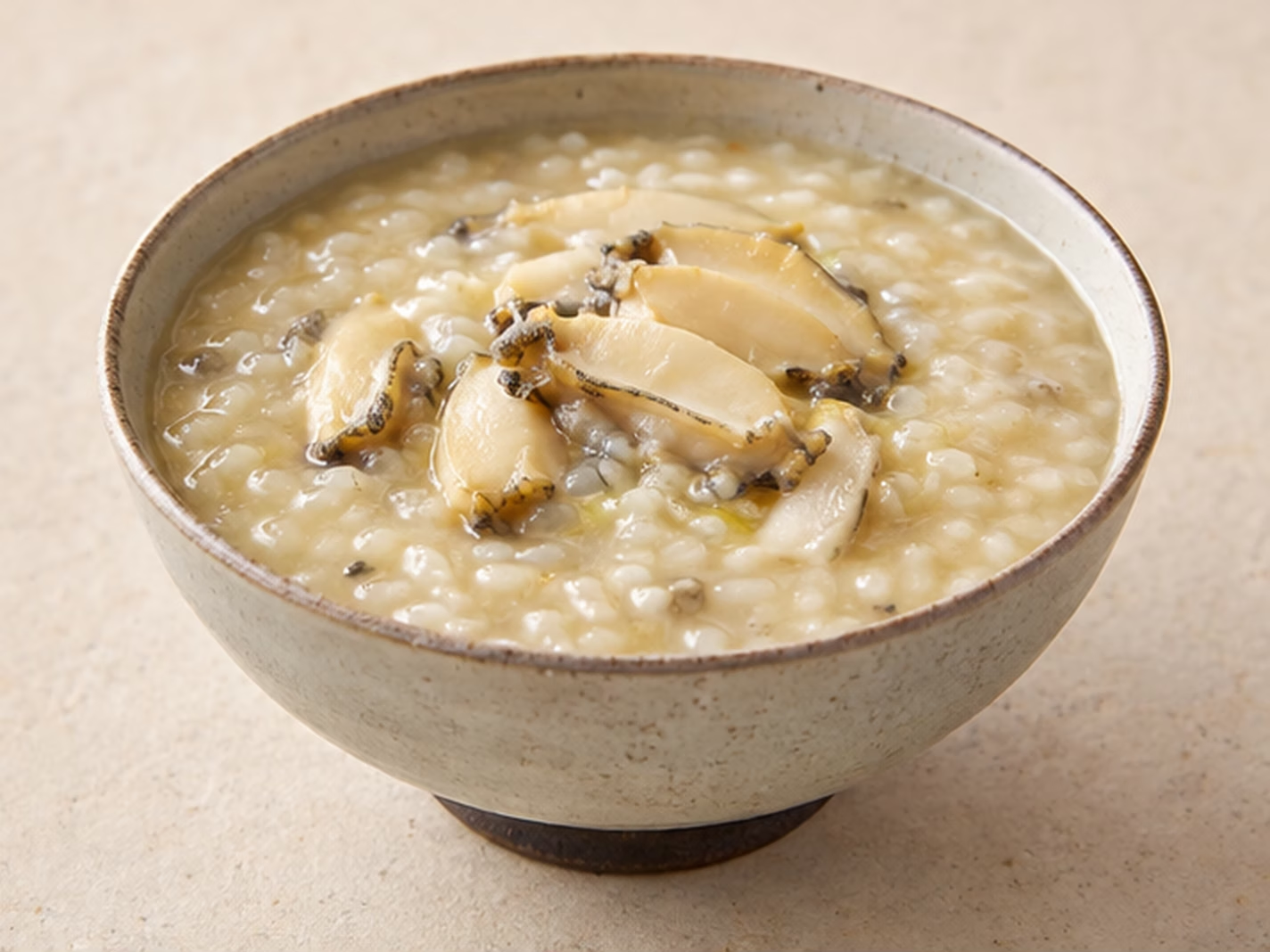
A rich rice porridge simmered with abalone, shrimp, mushrooms, and carrot, finished with pine nuts and served with low-sodium soy sauce.
View recipe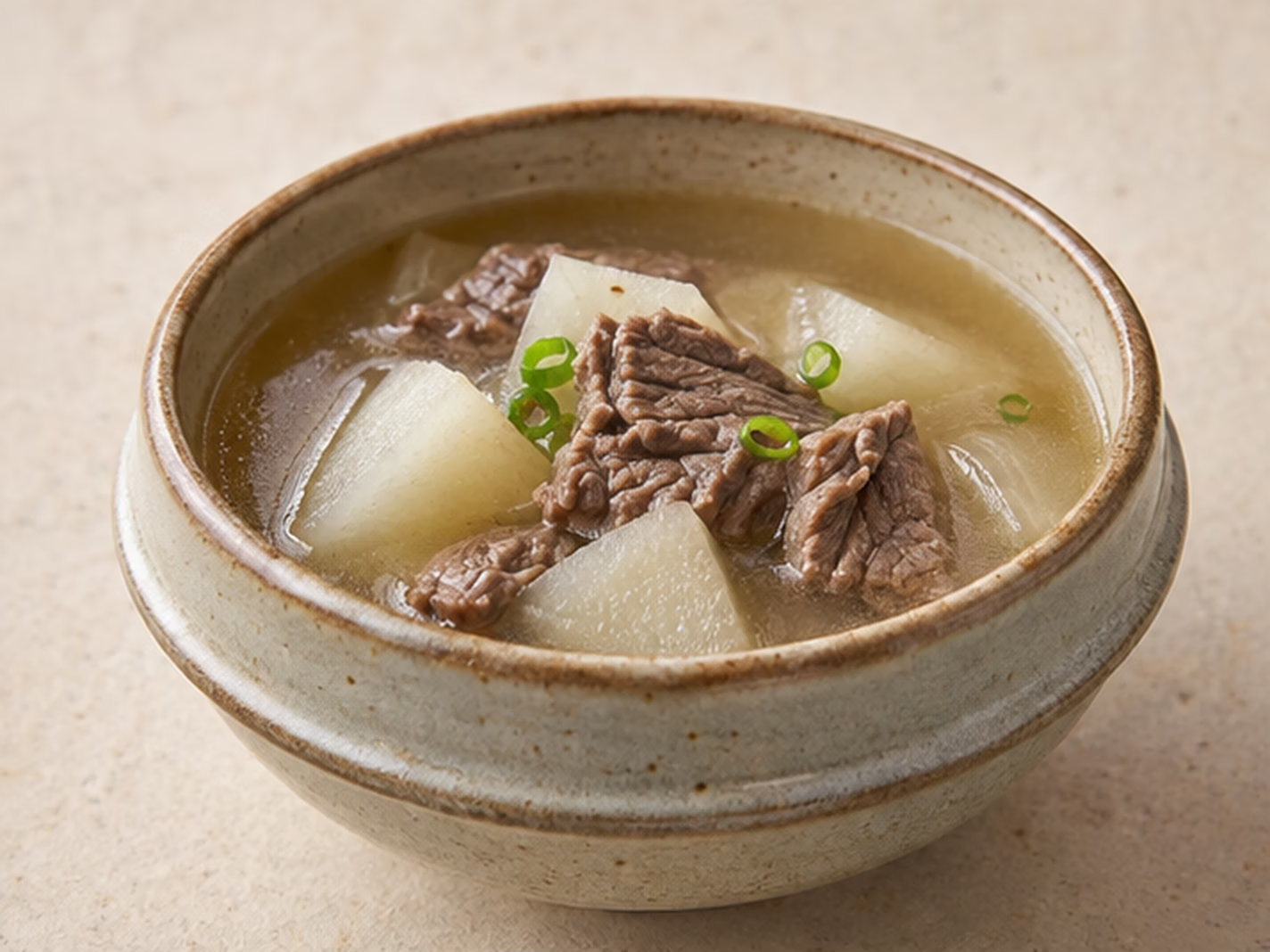
A savory Korean-style soup of beef and radish simmered with oyster mushrooms, mung bean sprouts, green onion, and low-sodium soy sauce.
View recipe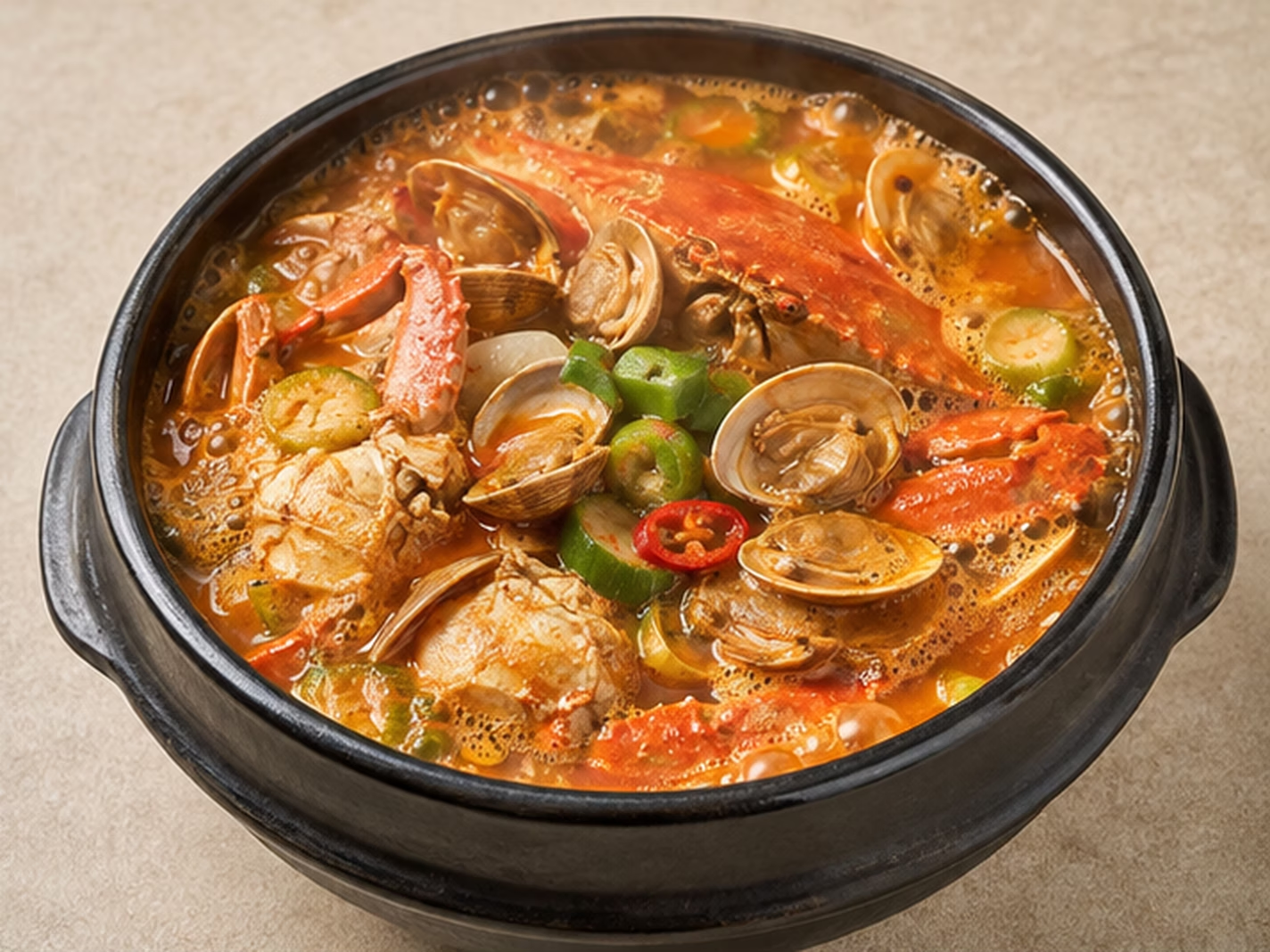
A savory seafood stew with blue crab, clams, radish, zucchini, bean sprouts, and a lightly seasoned anchovy-kelp broth.
View recipe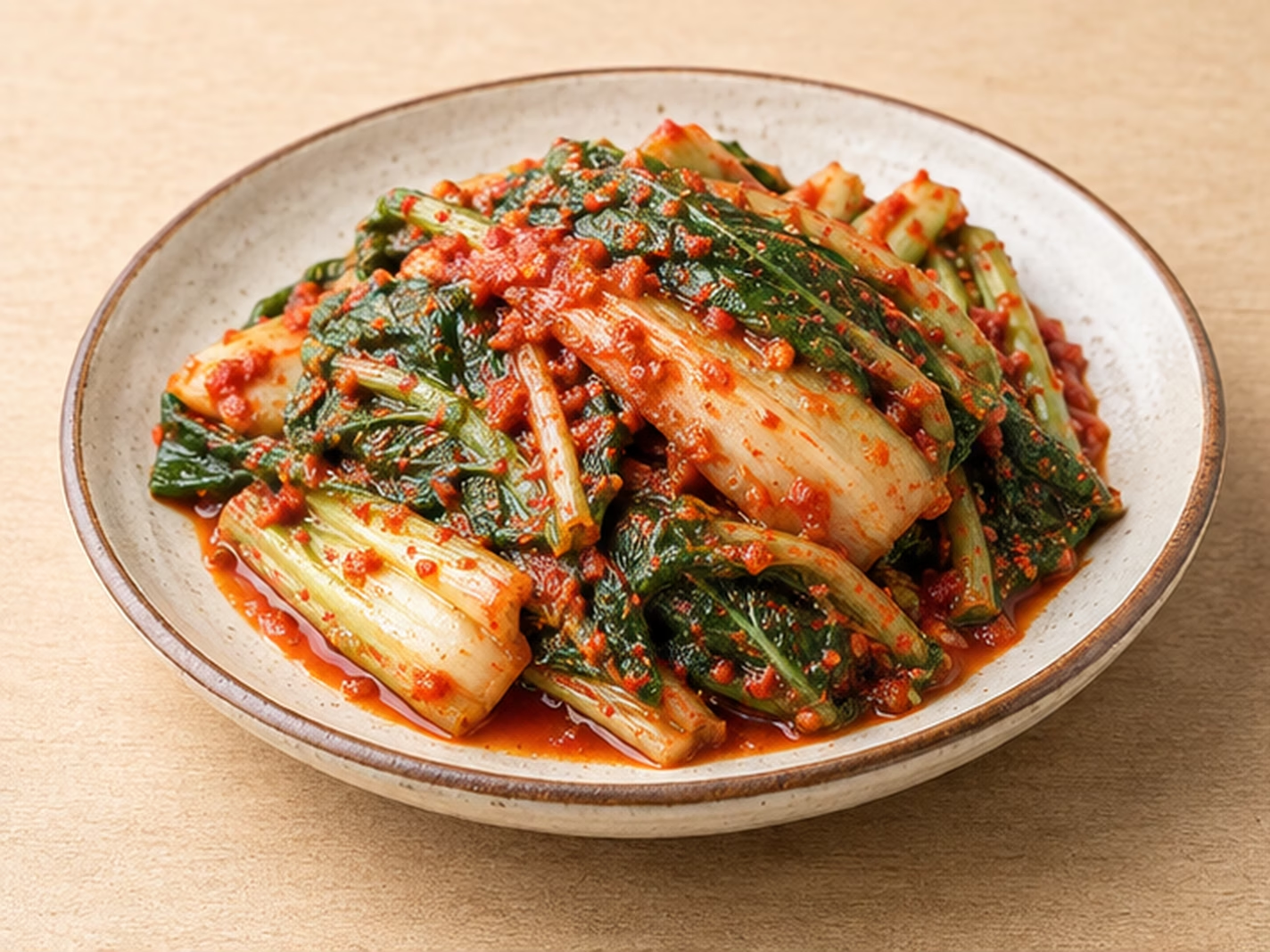
Fresh bok choy is lightly salted and coated with a pear, plum extract, chili, garlic, and ginger seasoning.
View recipe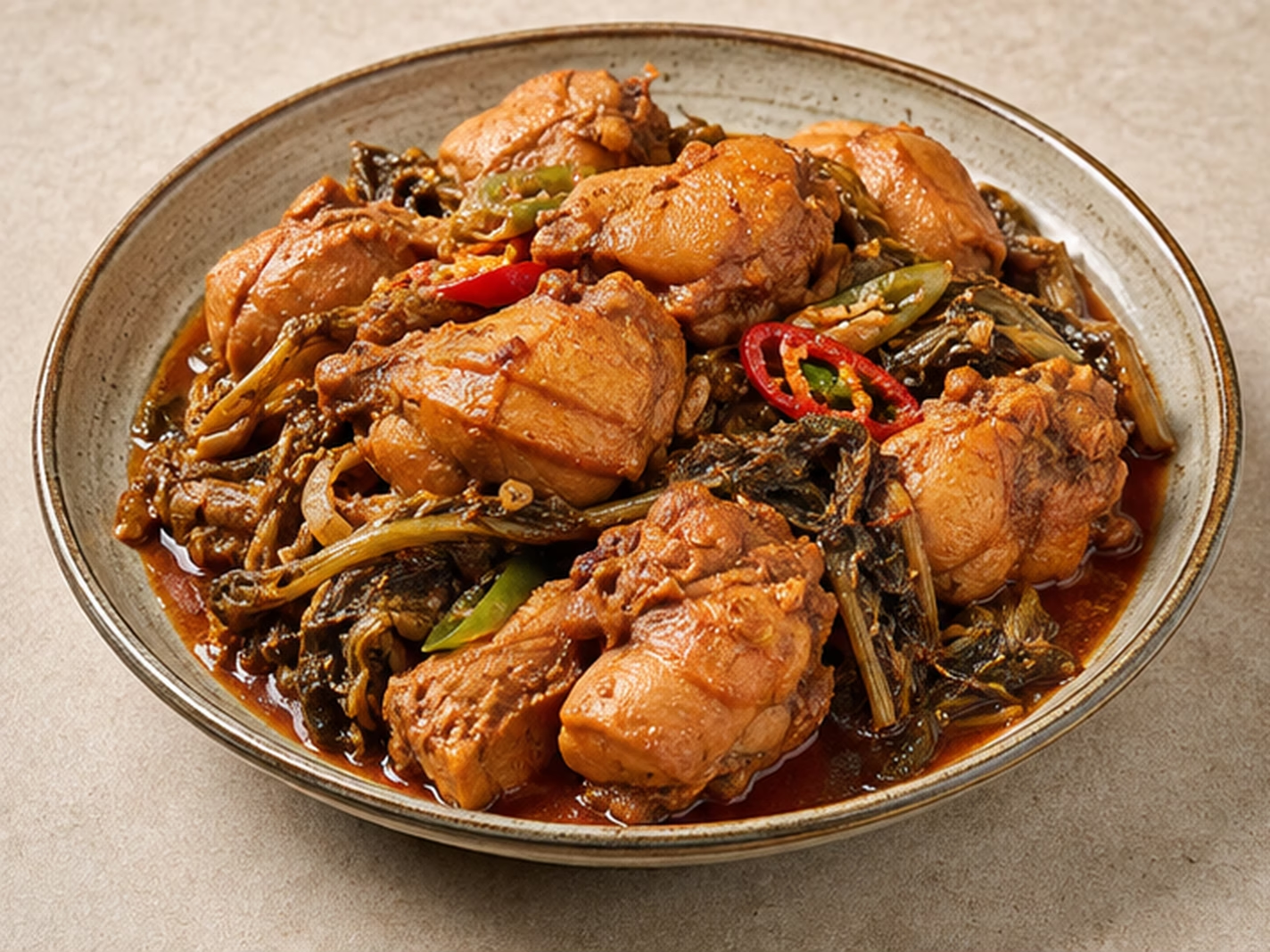
Tender chicken braised with dried radish greens, root vegetables, peppers, and a lightly sweet soy-based seasoning.
View recipe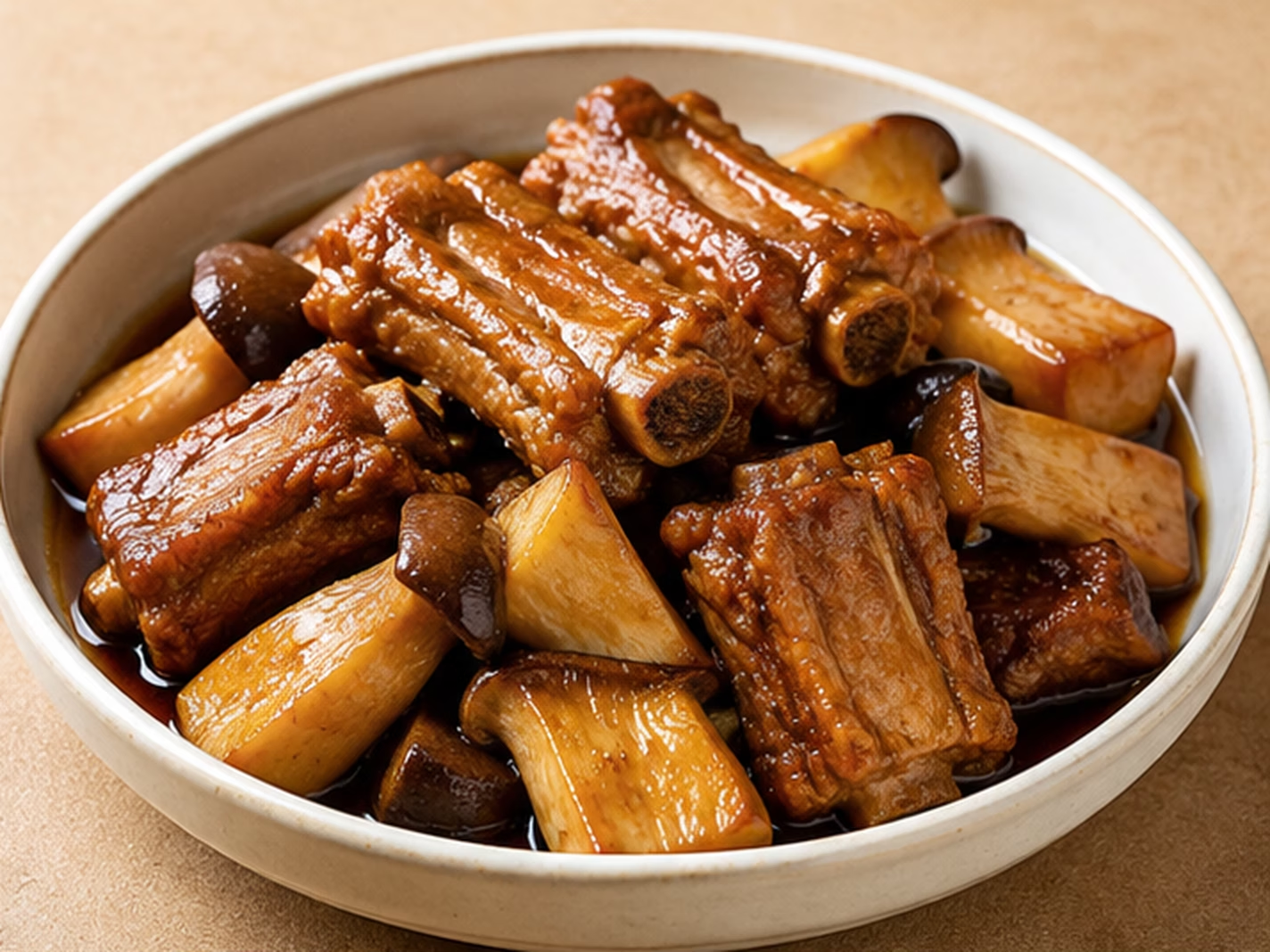
Pork ribs slowly braised in a mild vegetable broth with low-sodium soy sauce, king oyster mushrooms, and vegetables.
View recipe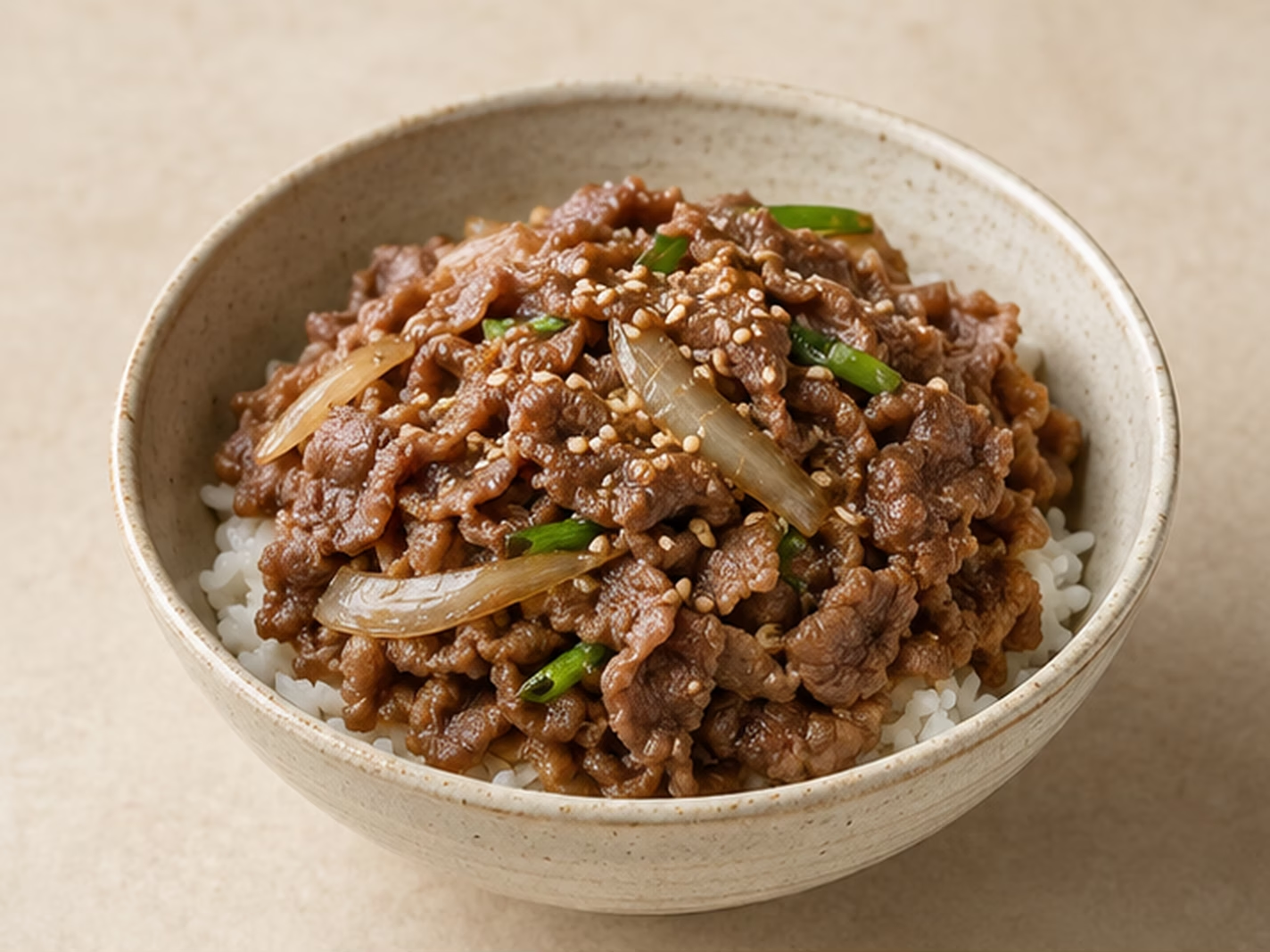
A savory beef bulgogi rice bowl topped with stir-fried peppers, onion, enoki mushrooms, scallions, egg, and sesame seeds.
View recipe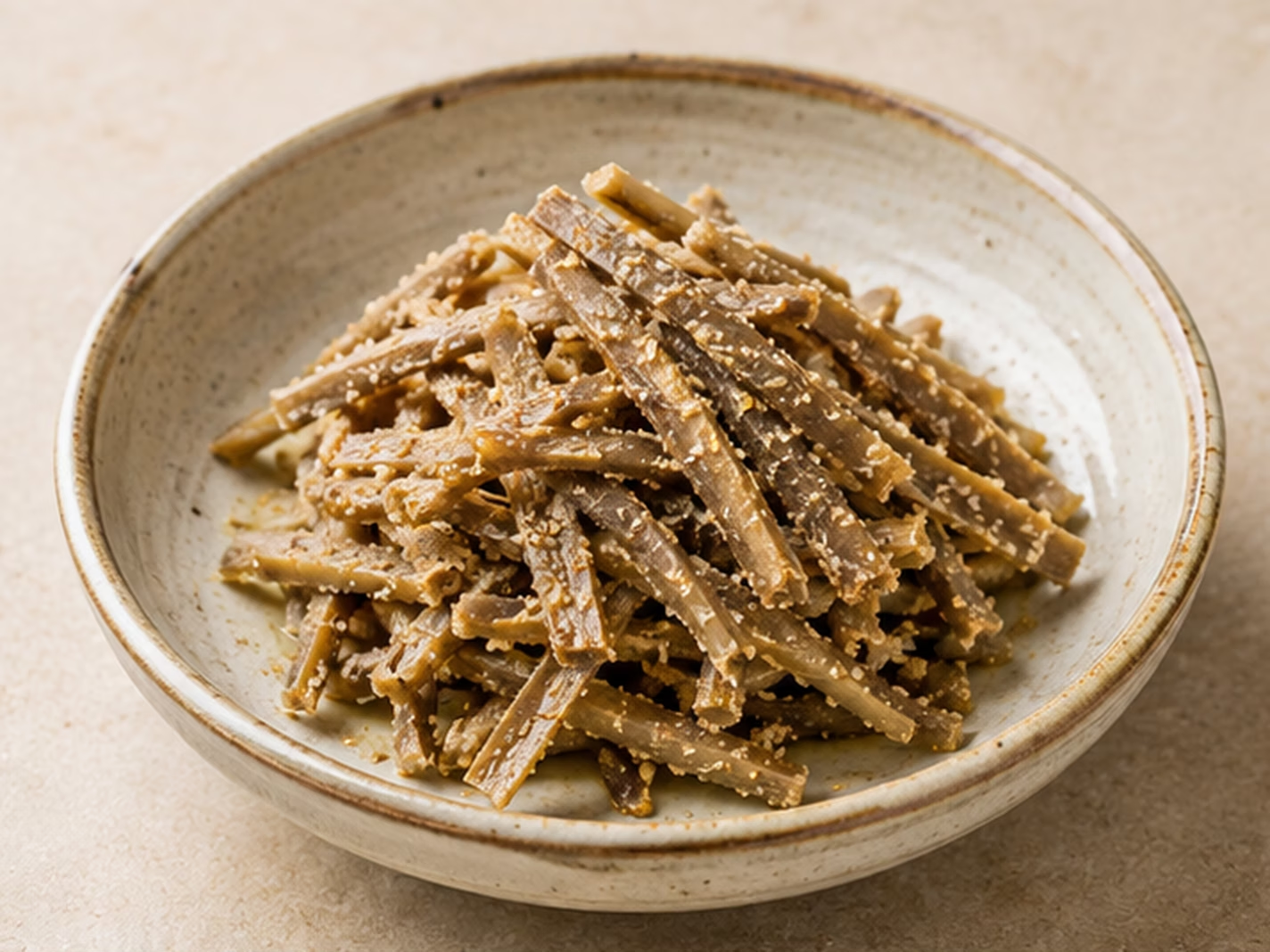
Tender julienned burdock tossed with green onion, perilla seed powder, garlic, perilla oil, and a small amount of soy sauce.
View recipe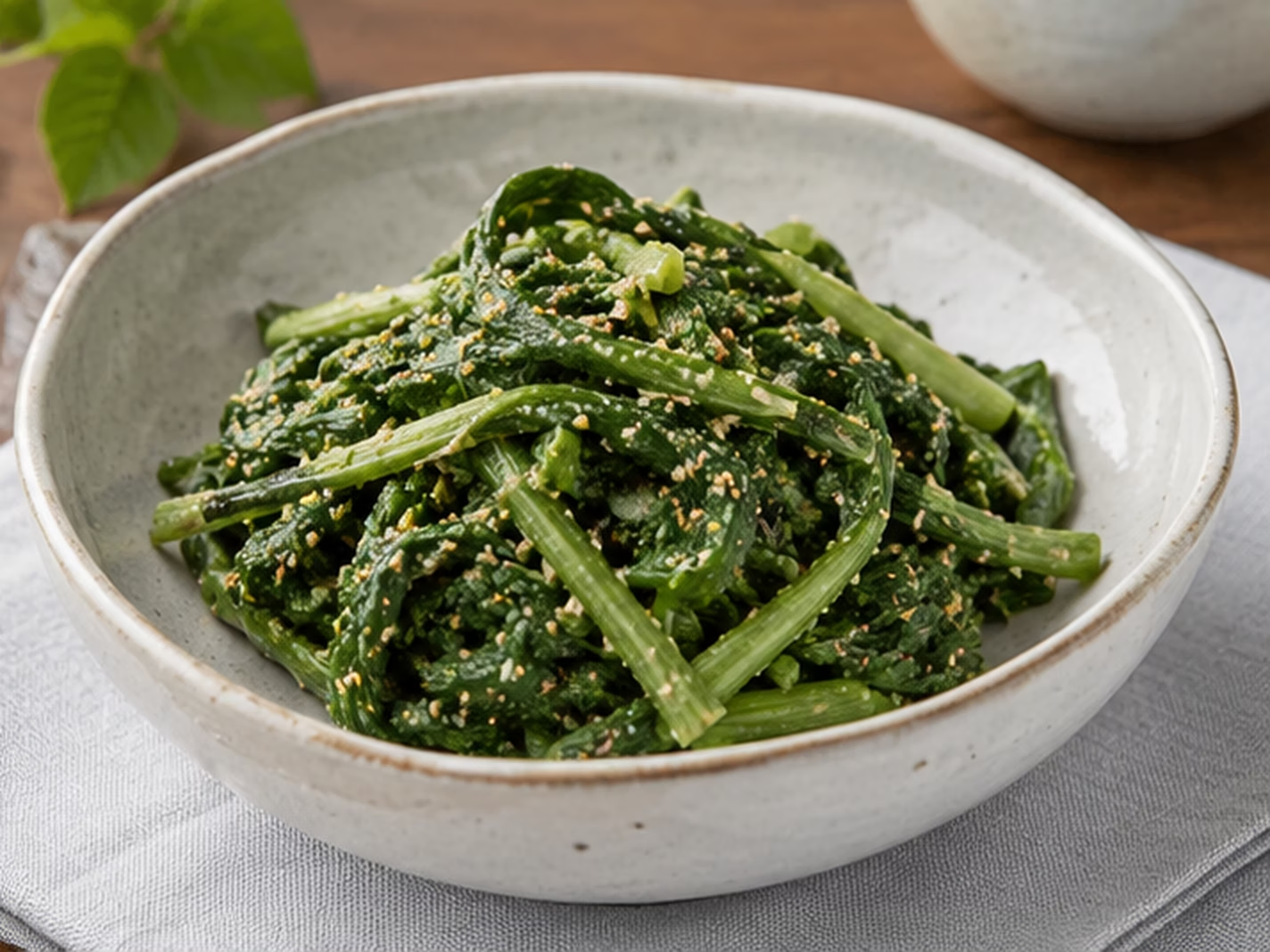
Butterbur stems are blanched, seasoned with perilla seed powder, simmered until tender, then chilled for a pleasantly nutty and slightly bitter vegetable side dish.
View recipe