How it is used
Use hot rice for egg rice and cold, drier rice for fried rice. A runny yolk can become part of the sauce when mixed.
Ingredient guide
Eggs and cooked rice are a high-value kitchen pair: a five-minute bowl is possible with pantry seasonings, while kimchi or vegetables open several fuller meals.
Use hot rice for egg rice and cold, drier rice for fried rice. A runny yolk can become part of the sauce when mixed.
Cool leftover rice quickly and refrigerate it promptly. Reheat until steaming hot; do not leave cooked rice at room temperature for long periods.
Use medium-grain rice when short-grain rice is unavailable. For an egg-free bowl, add pan-seared tofu and season with soy sauce and sesame oil.
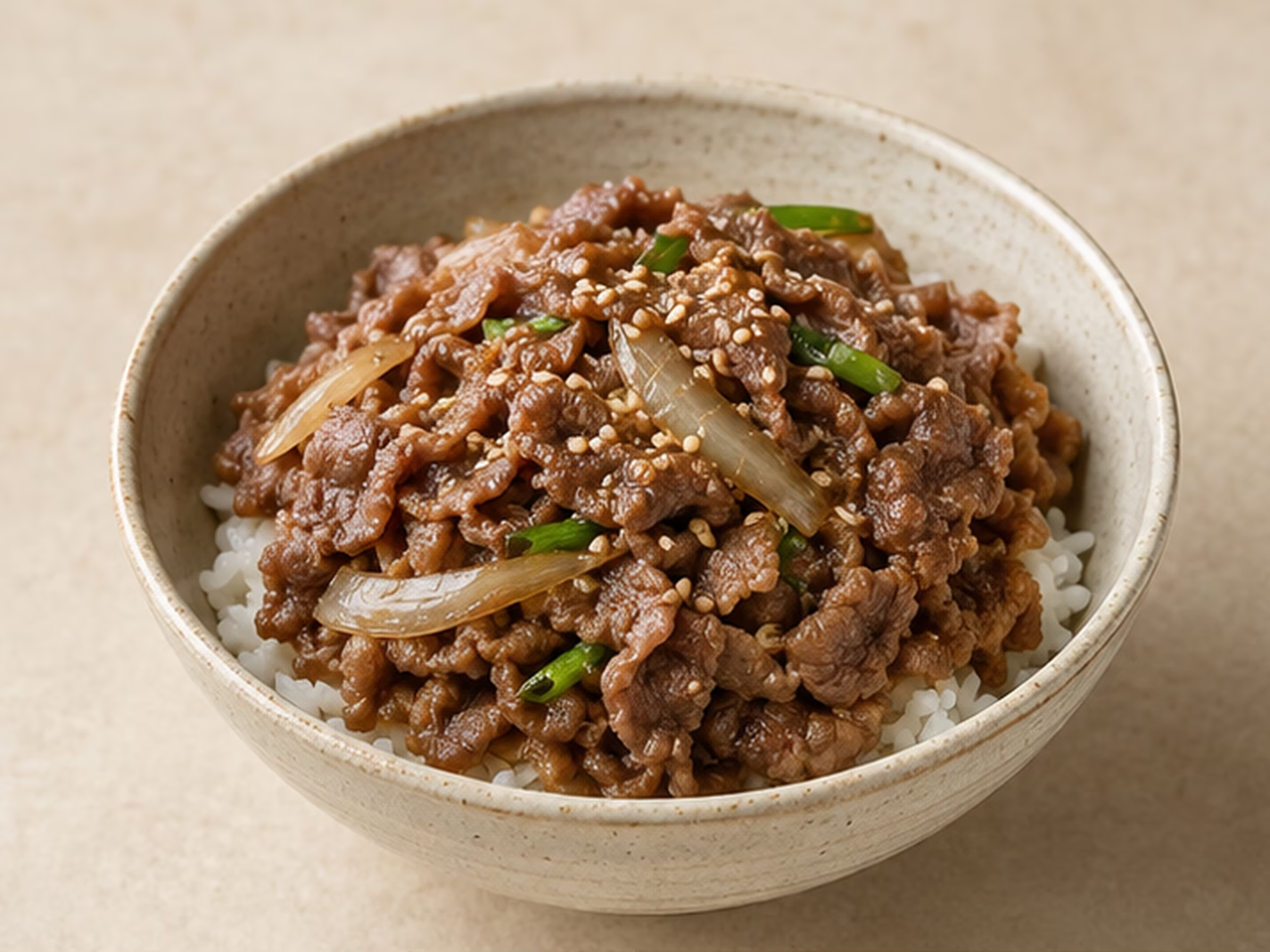
A savory beef bulgogi rice bowl topped with stir-fried peppers, onion, enoki mushrooms, scallions, egg, and sesame seeds.
View recipe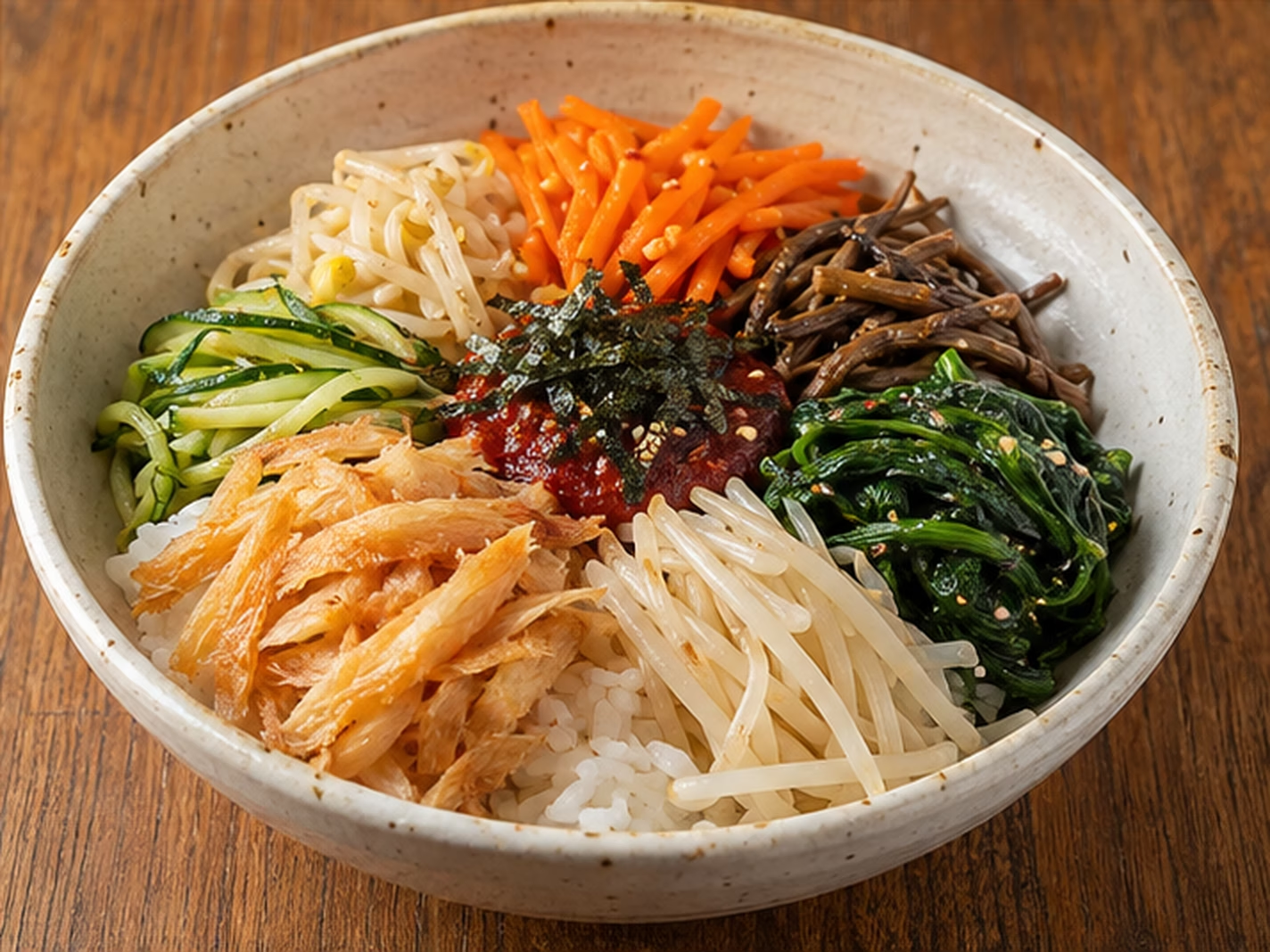
A colorful bibimbap topped with vegetables, snails, shredded egg garnish, baby greens, edible flowers, and finely shredded dried pollock.
View recipe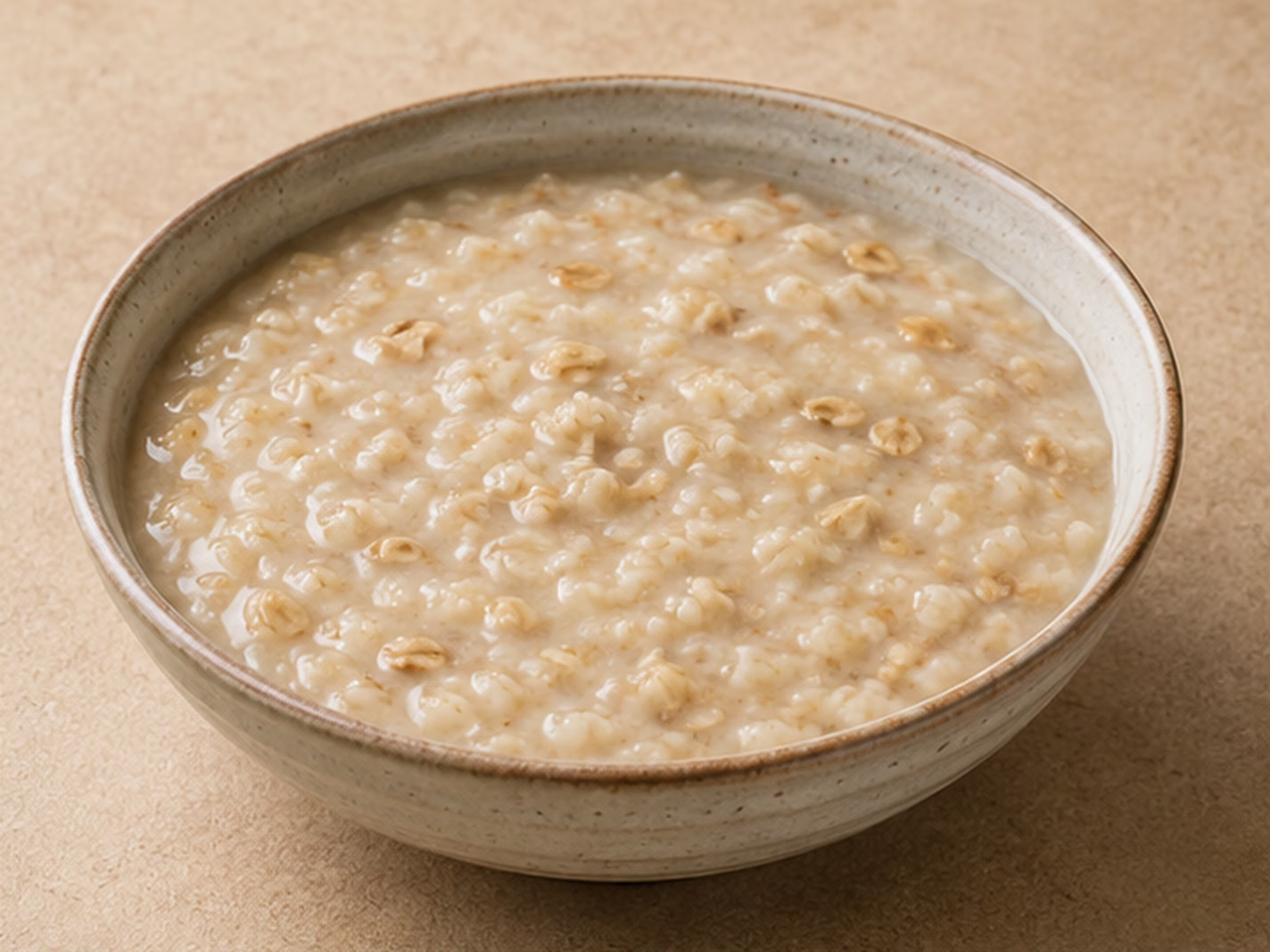
Soaked oats and rice are simmered with beef, onion, chives, and egg, then finished with black sesame seeds.
View recipe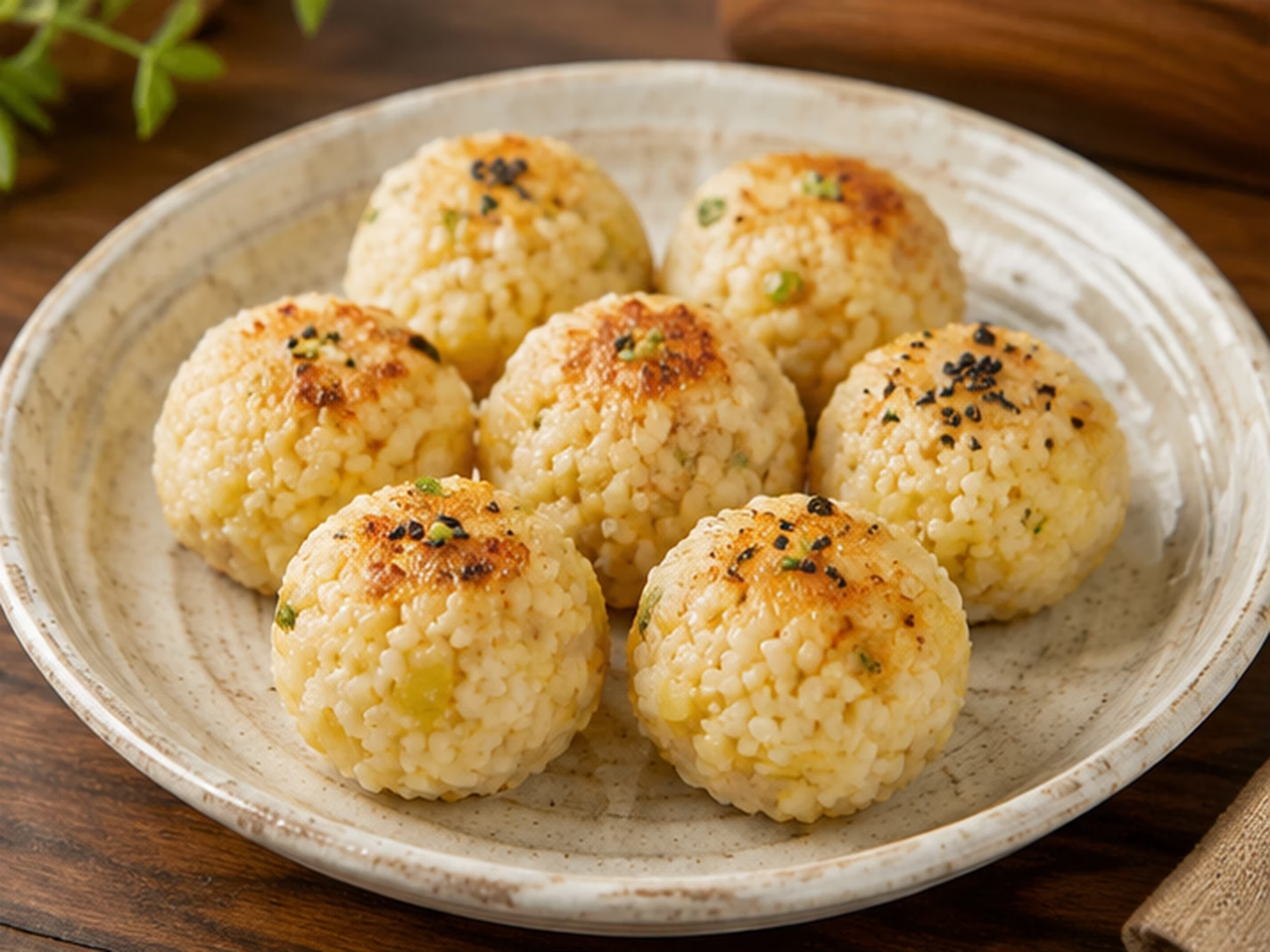
Soft potato and rice are mixed with vegetables and anchovies, shaped into bite-size balls or triangles, and coated with egg yolk and sesame seeds.
View recipe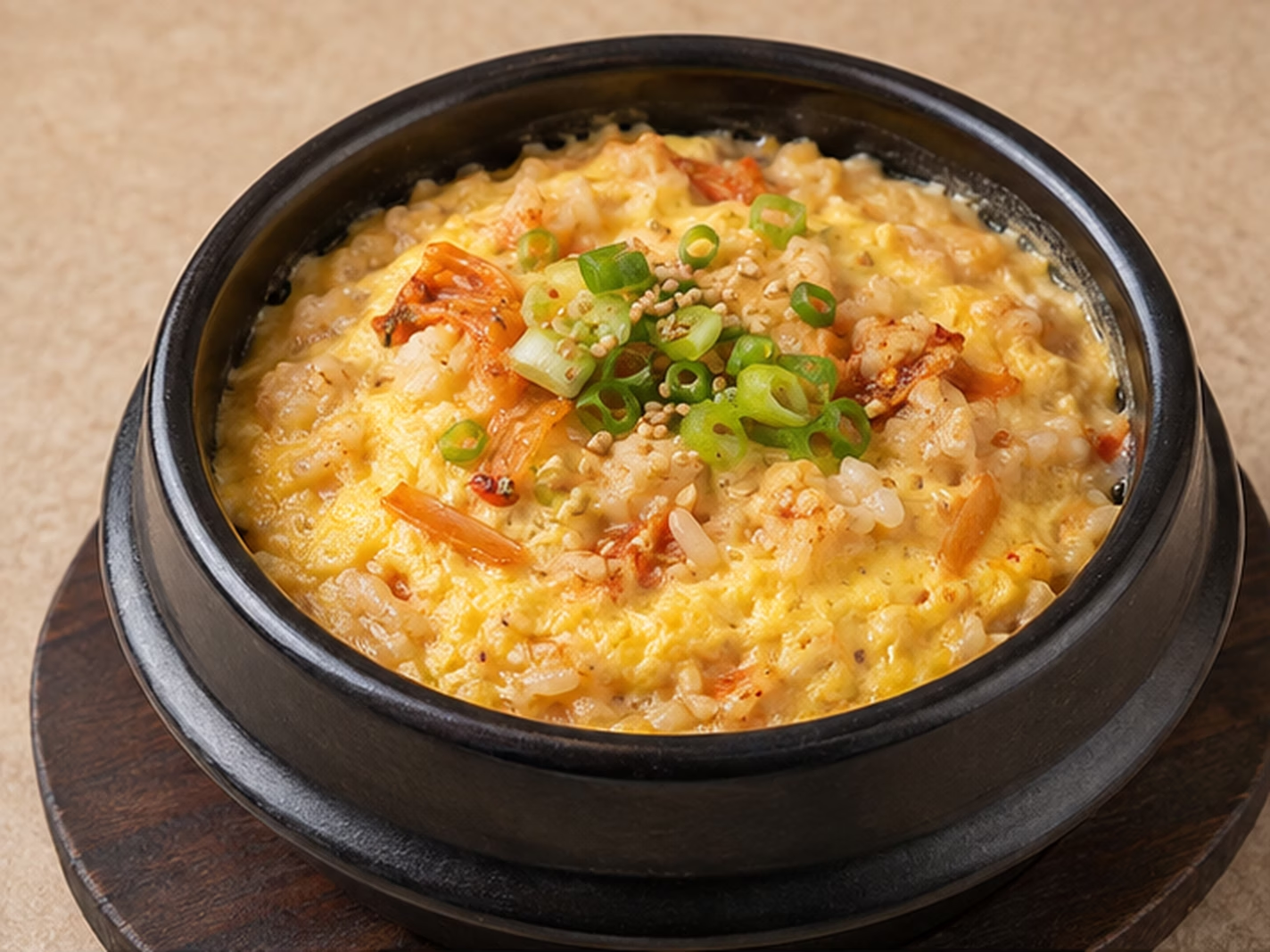
A soft steamed egg dish made with leftover rice, finely chopped kimchi, vegetables, and a touch of salted-shrimp brine.
View recipe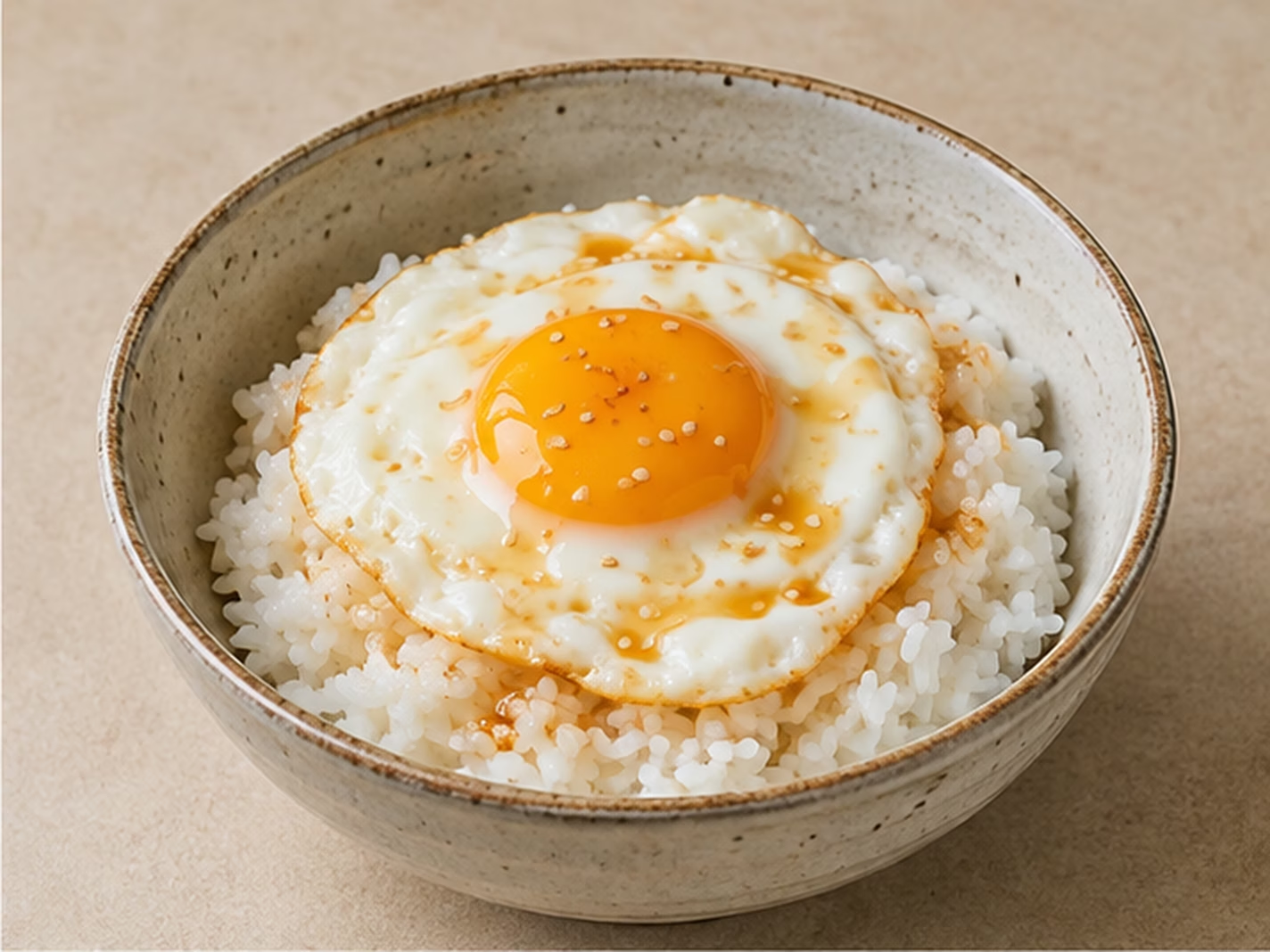
The comforting Korean shortcut meal: hot rice, a fried egg, soy sauce, and fragrant sesame oil.
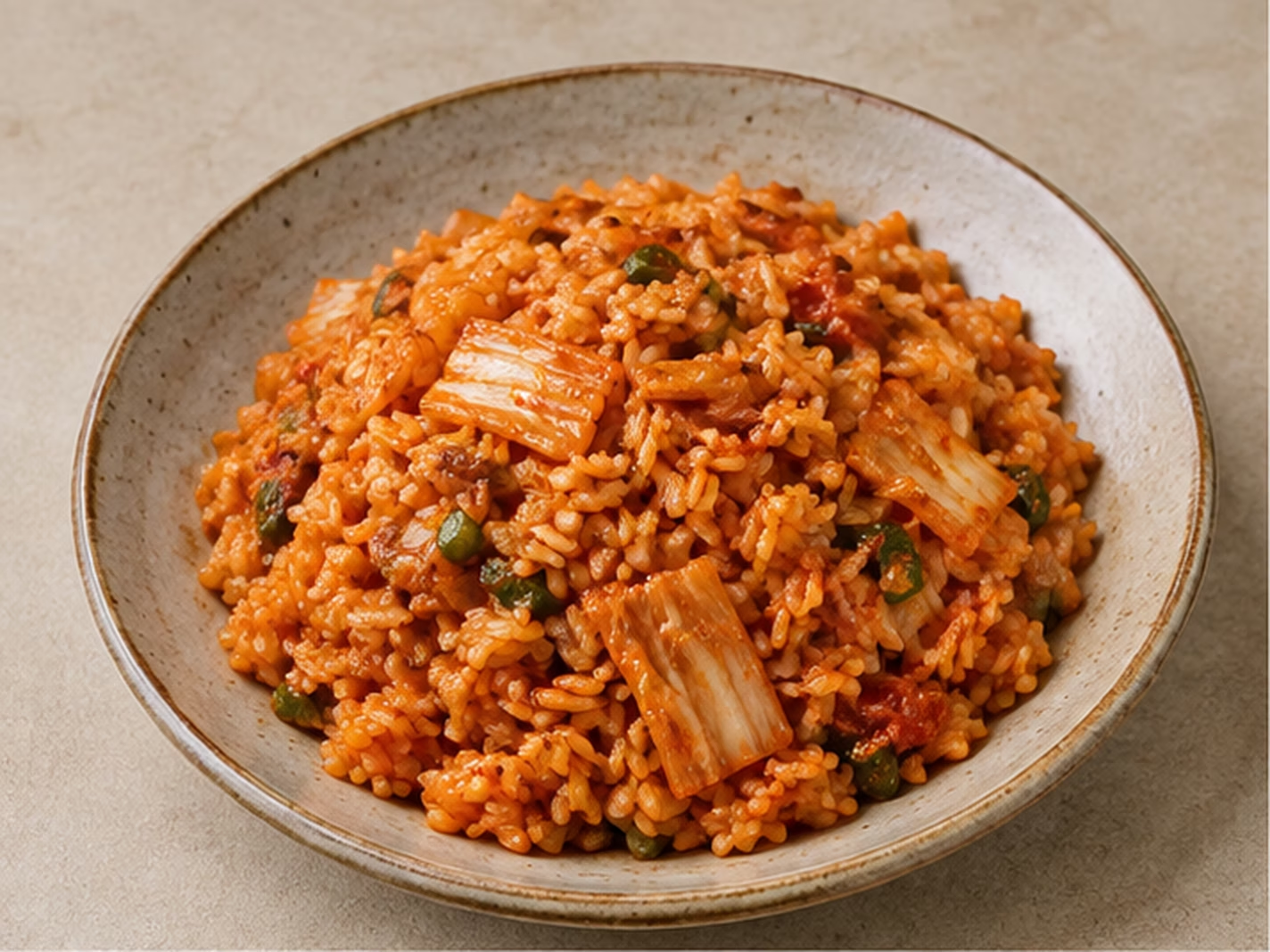
A fast, deeply savory fried rice that turns well-fermented kimchi and leftover rice into a complete weeknight meal.
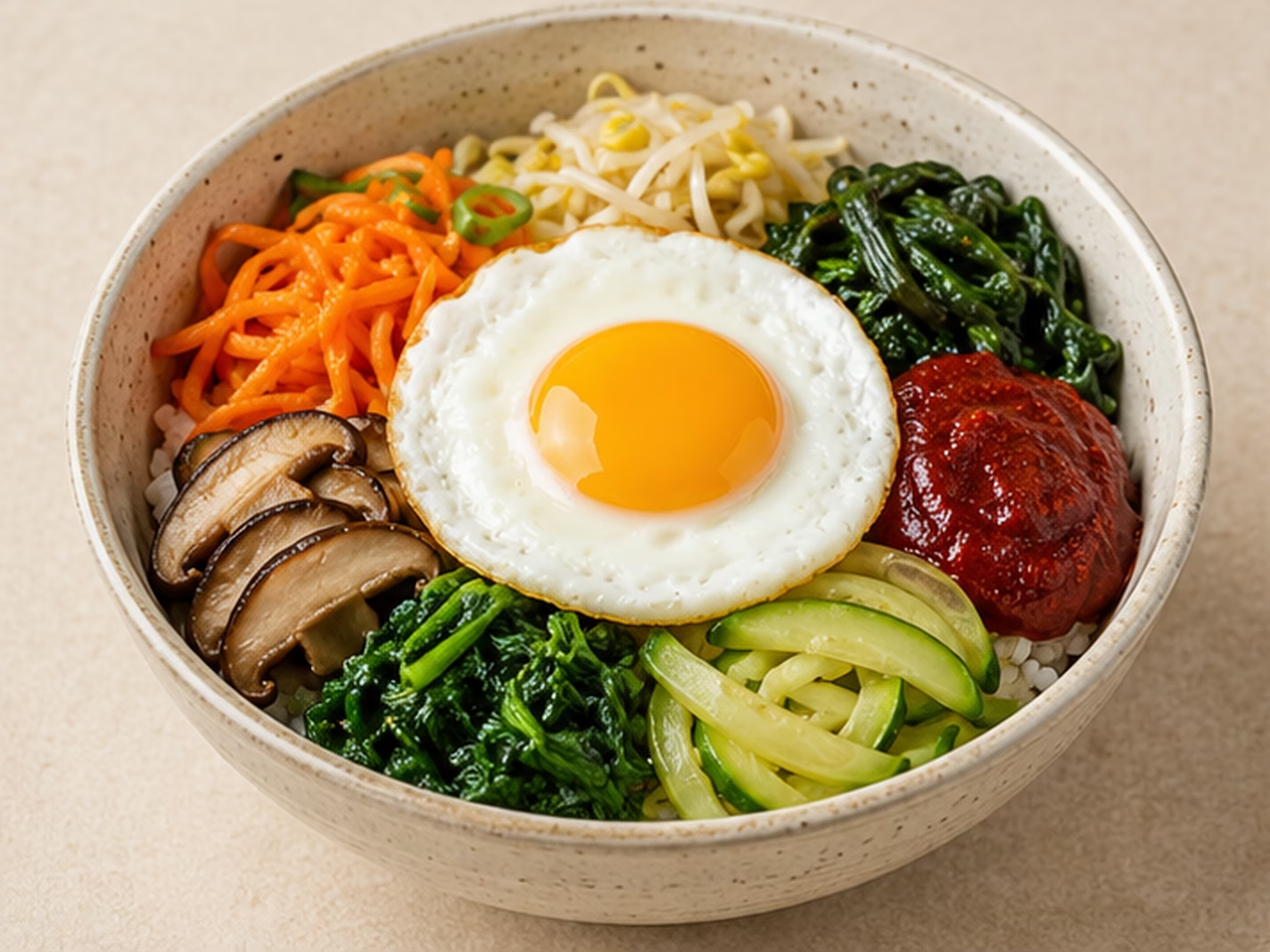
A colorful bowl of rice topped with individually seasoned vegetables, an egg, and gochujang for mixing at the table.