What does it taste like?
Flavor and texture vary by variety, freshness, and preparation.
Fruit
배
Common aliases
asian pear · pear · korean pear
Asian pear appears in Korean soups, stir-fries, salads, and side dishes. The source recipe may use a particular cut or form, so check the Korean ingredient note before cooking.
Flavor and texture vary by variety, freshness, and preparation.
Use the form and amount listed in the recipe; trim or rinse as needed.
Look for fresh asian pear with no off smell or sliminess.
Refrigerate promptly and follow the package date when one is provided.
Apple or a little fruit juice adds sweetness and moisture with a different aroma.
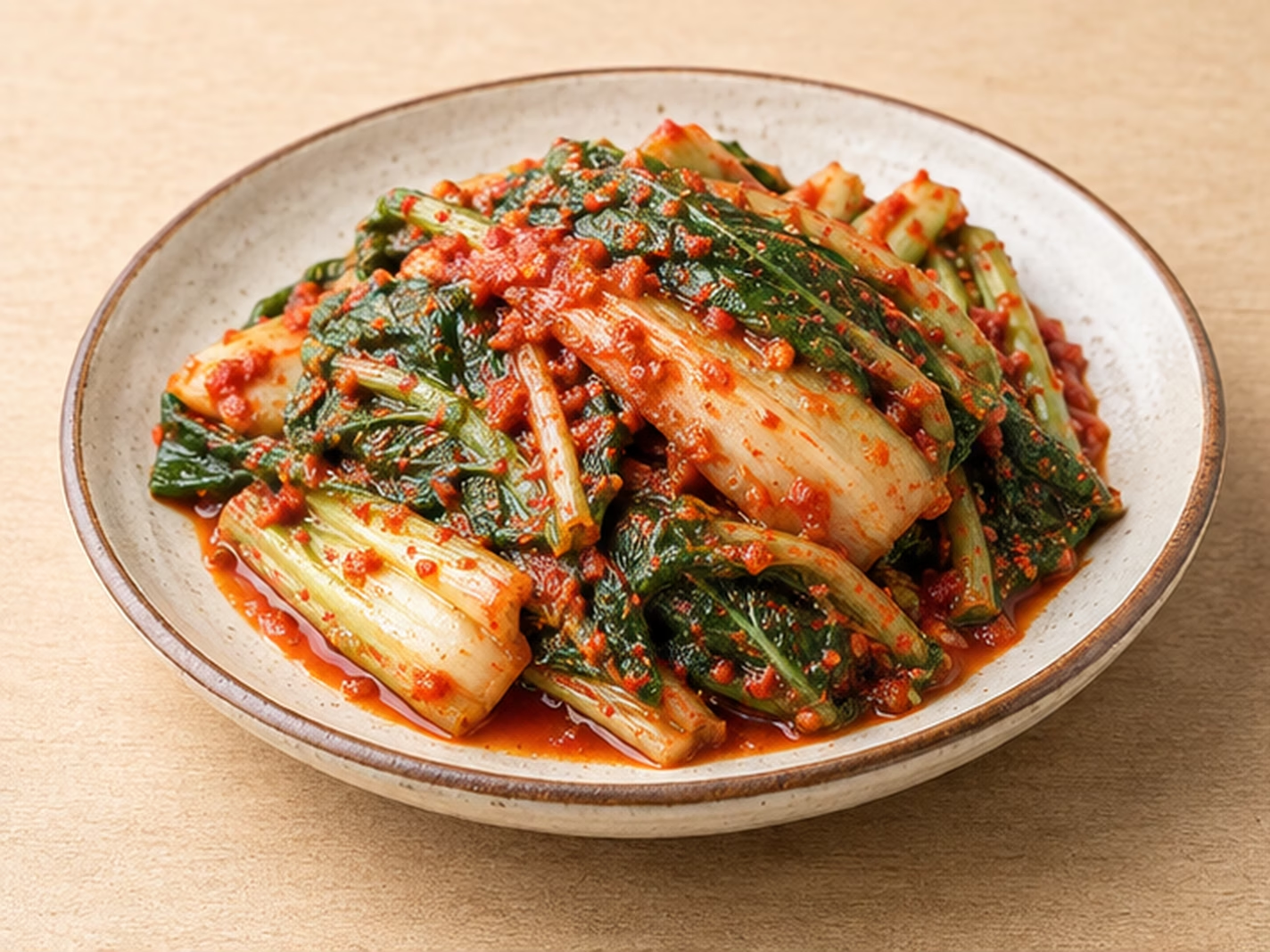
Fresh bok choy is lightly salted and coated with a pear, plum extract, chili, garlic, and ginger seasoning.
View recipe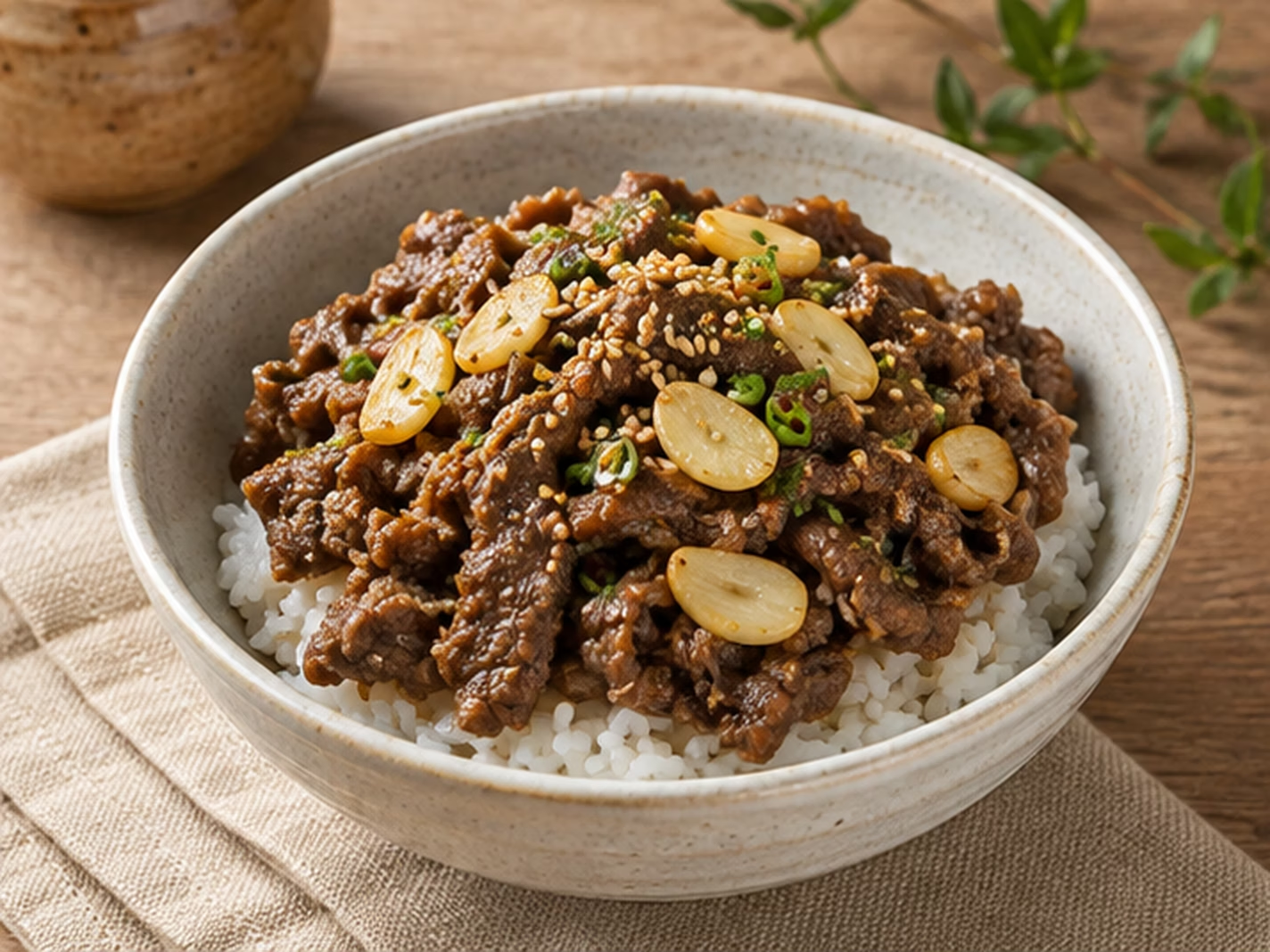
A rice bowl topped with savory beef bulgogi marinated with garlic, soy sauce, onion, pear, and pepper, then finished with crisp garlic chips.
View recipe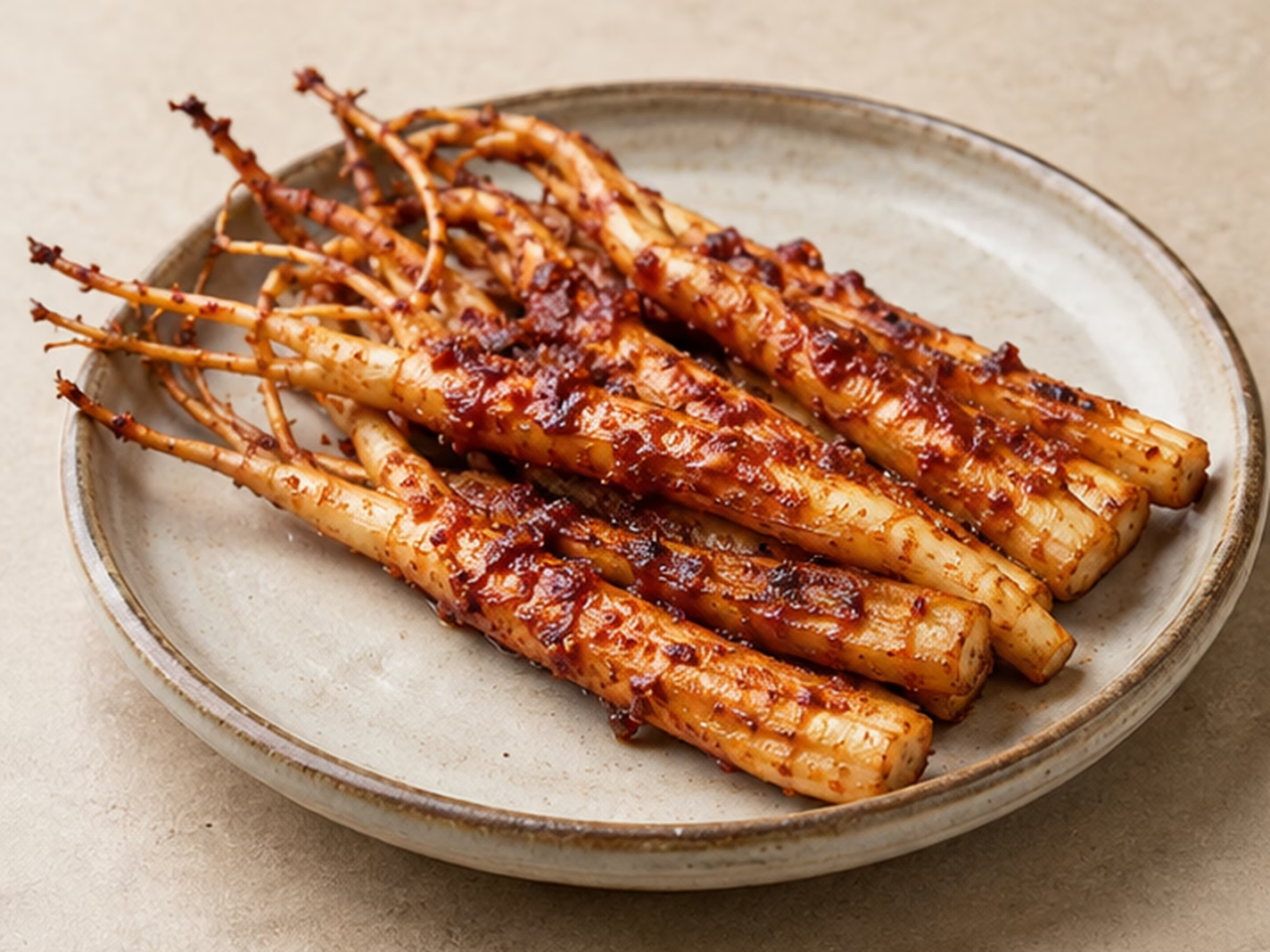
Whole bellflower root flattened, grilled, and glazed with a savory-spicy pear and gochujang sauce, then finished with chives and sesame seeds.
View recipe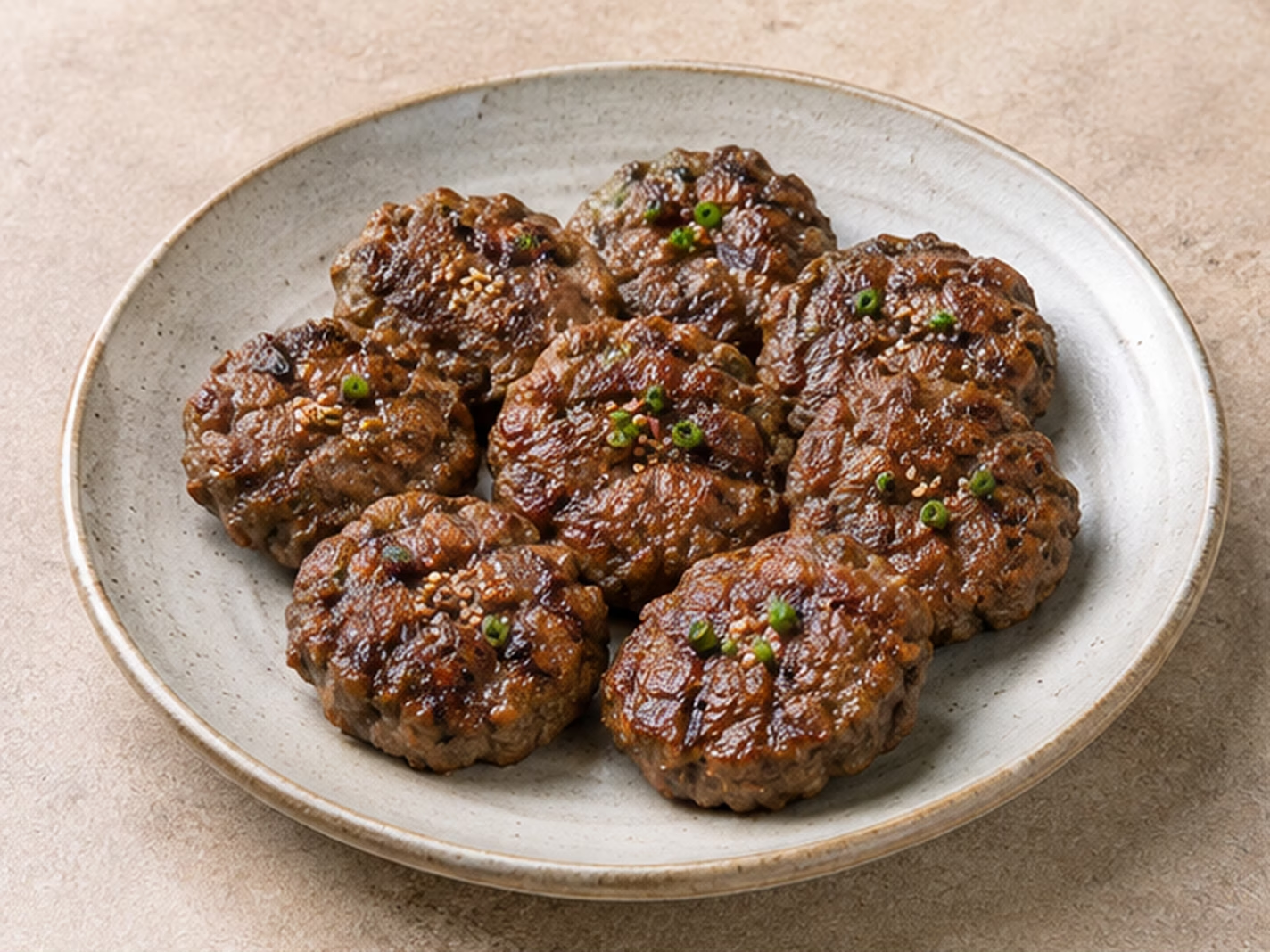
Mini beef patties are wrapped around king oyster mushroom pieces, pan-grilled, and finished with finely crushed pine nuts.
View recipe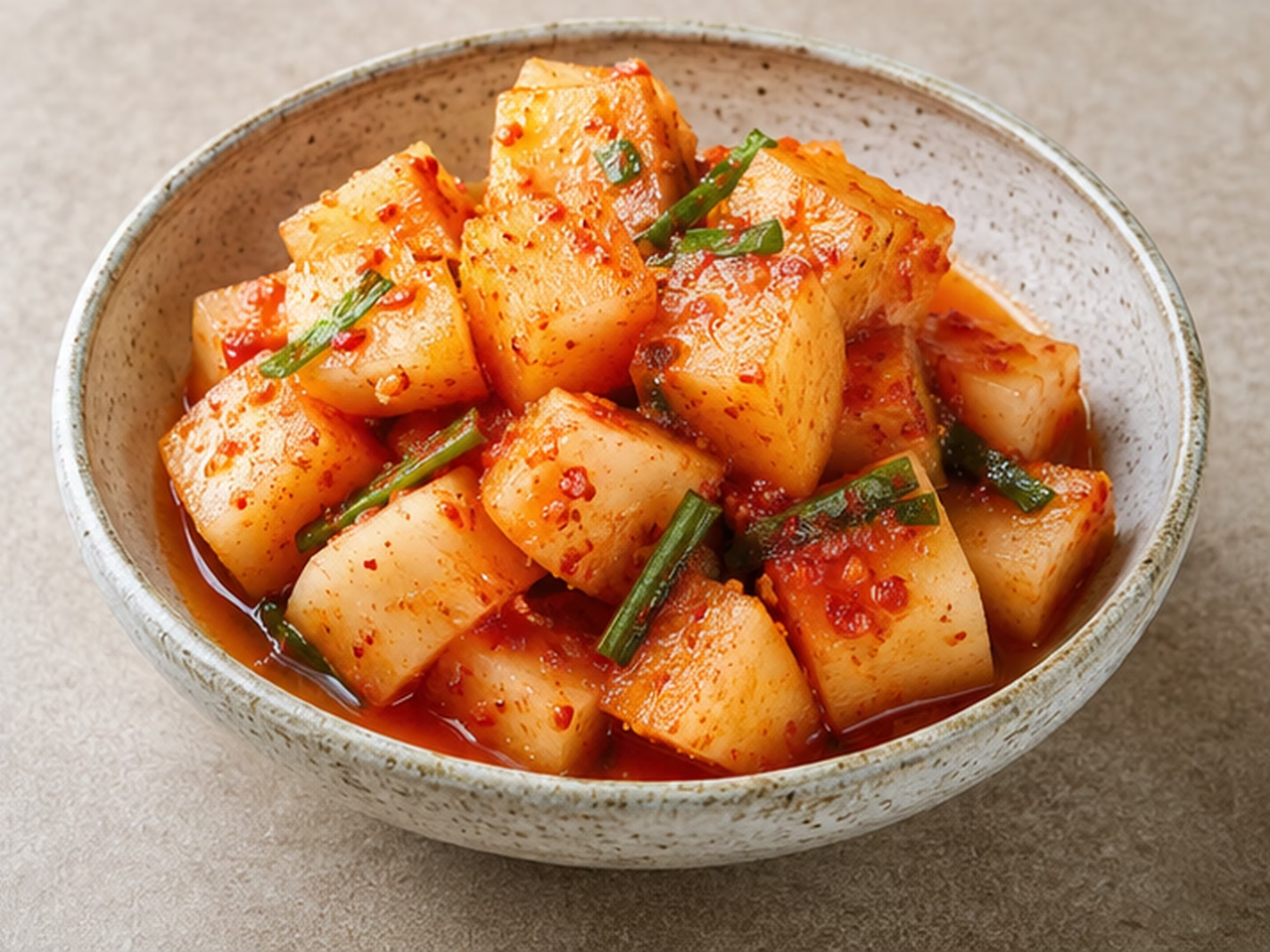
Fresh cubed pear tossed with green onion, garlic, red pepper powder, and fish sauce for a sweet and spicy kimchi-style side dish.
View recipe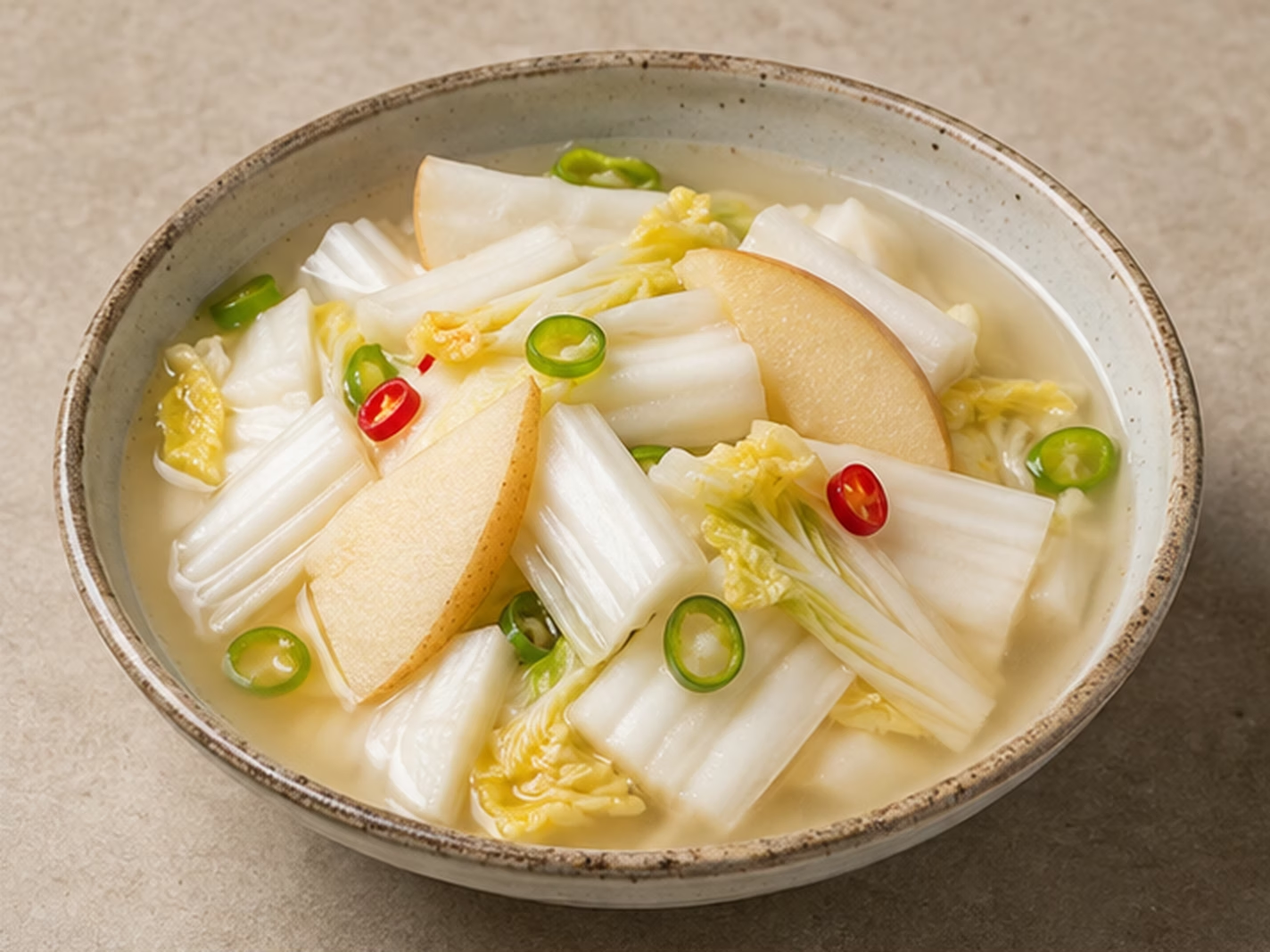
A light water kimchi made with crisp pear, minari, chilies, and a potato-based brine flavored with garlic and ginger.
View recipe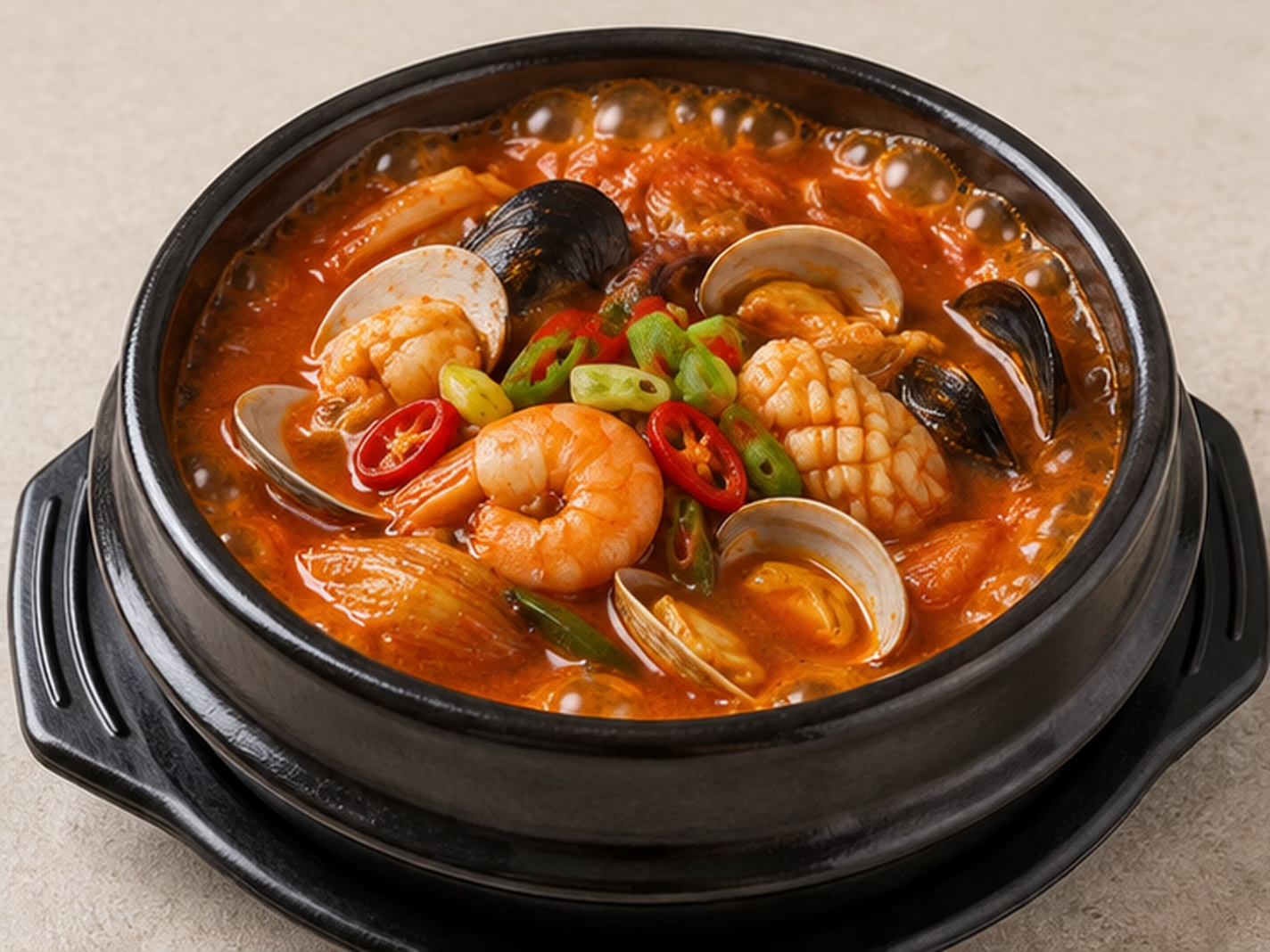
A savory kimchi stew with webfoot octopus, tofu, enoki mushrooms, radish, and onion, balanced with pear juice and seafood broth.
View recipe