What does it taste like?
Flavor and texture vary by variety, freshness, and preparation.
Nuts and seeds
흑임자
Common aliases
black sesame · black sesame seeds
Black sesame appears in Korean soups, stir-fries, salads, and side dishes. The source recipe may use a particular cut or form, so check the Korean ingredient note before cooking.
Flavor and texture vary by variety, freshness, and preparation.
Use the form and amount listed in the recipe; trim or rinse as needed.
Look for fresh black sesame with no off smell or sliminess.
Refrigerate promptly and follow the package date when one is provided.
White sesame is milder and will change the color, but it can provide a similar nutty note.
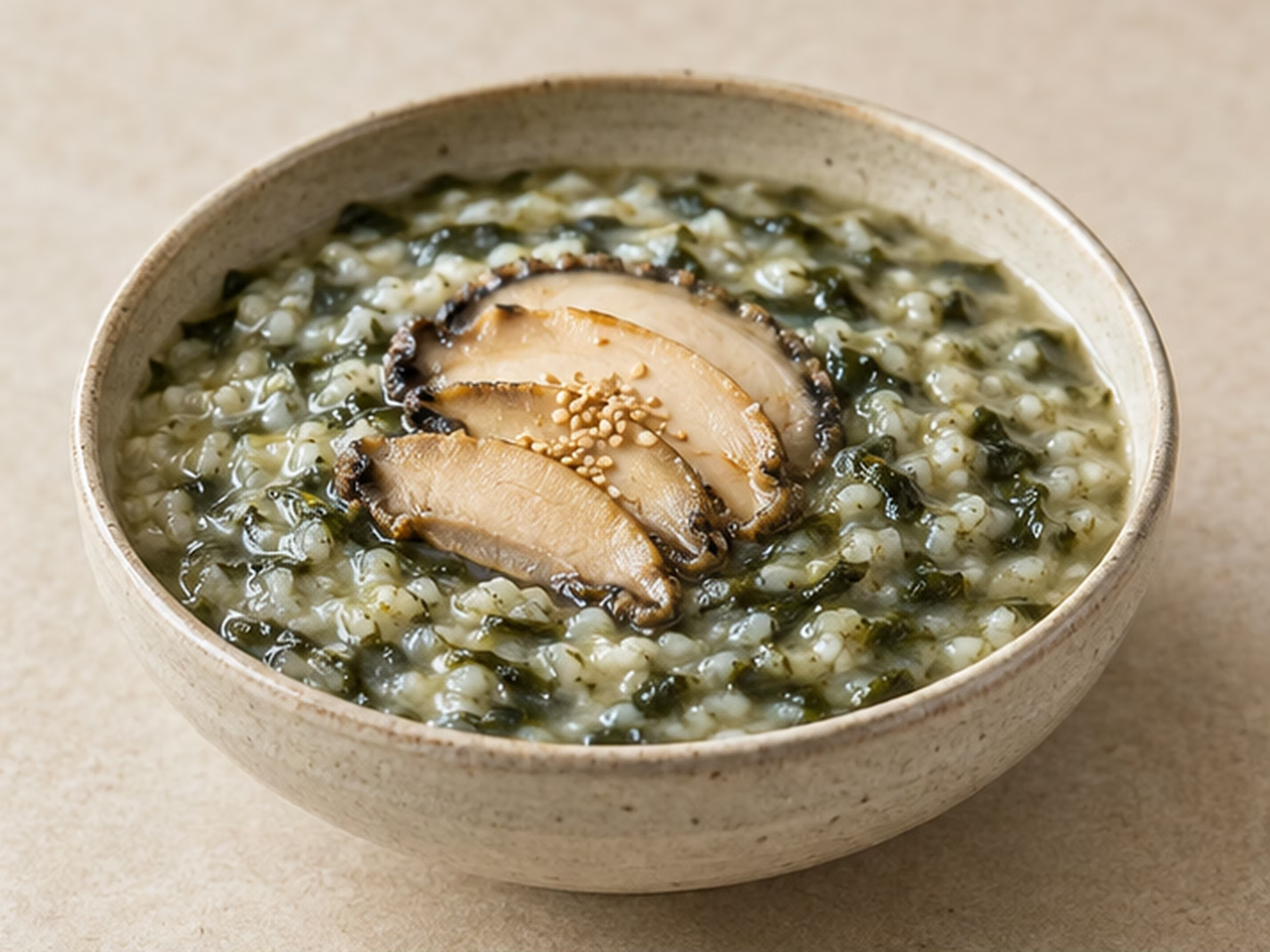
A savory glutinous rice porridge simmered with abalone, seaweed, and a broth made from abalone shells and kelp, finished with carrot and black sesame.
View recipe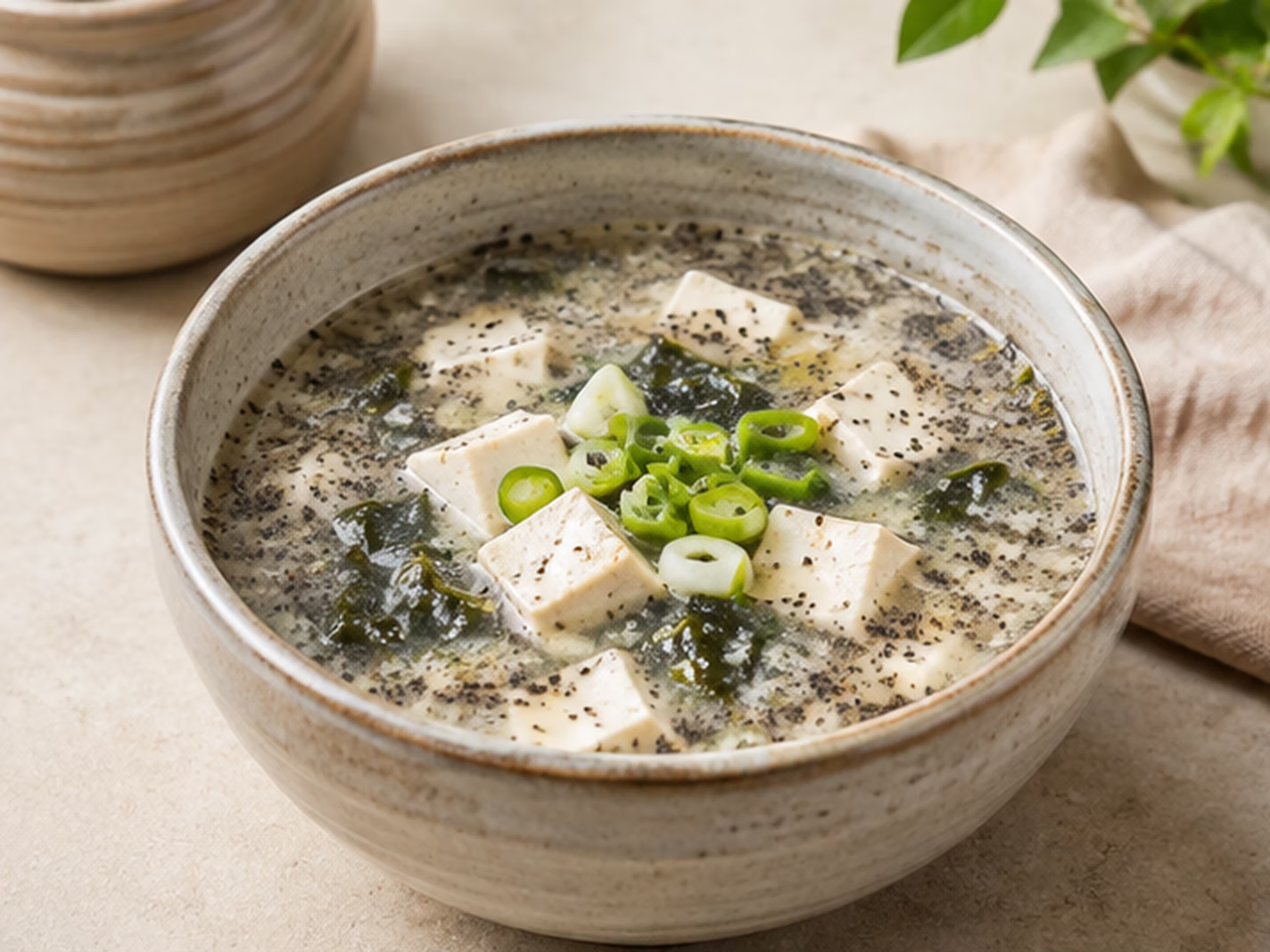
A smooth rice and tofu soup enriched with finely ground toasted black sesame seeds.
View recipe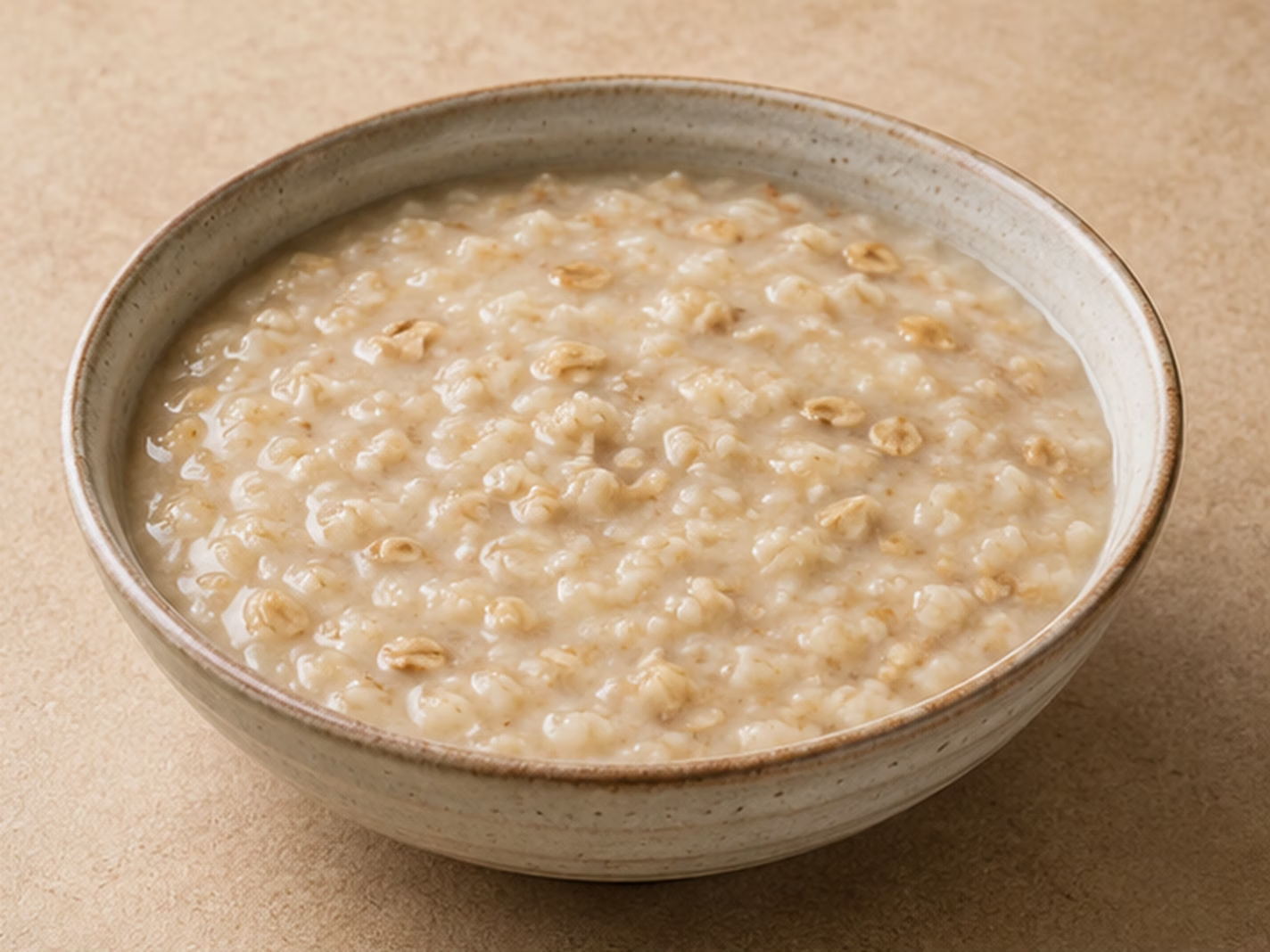
Soaked oats and rice are simmered with beef, onion, chives, and egg, then finished with black sesame seeds.
View recipe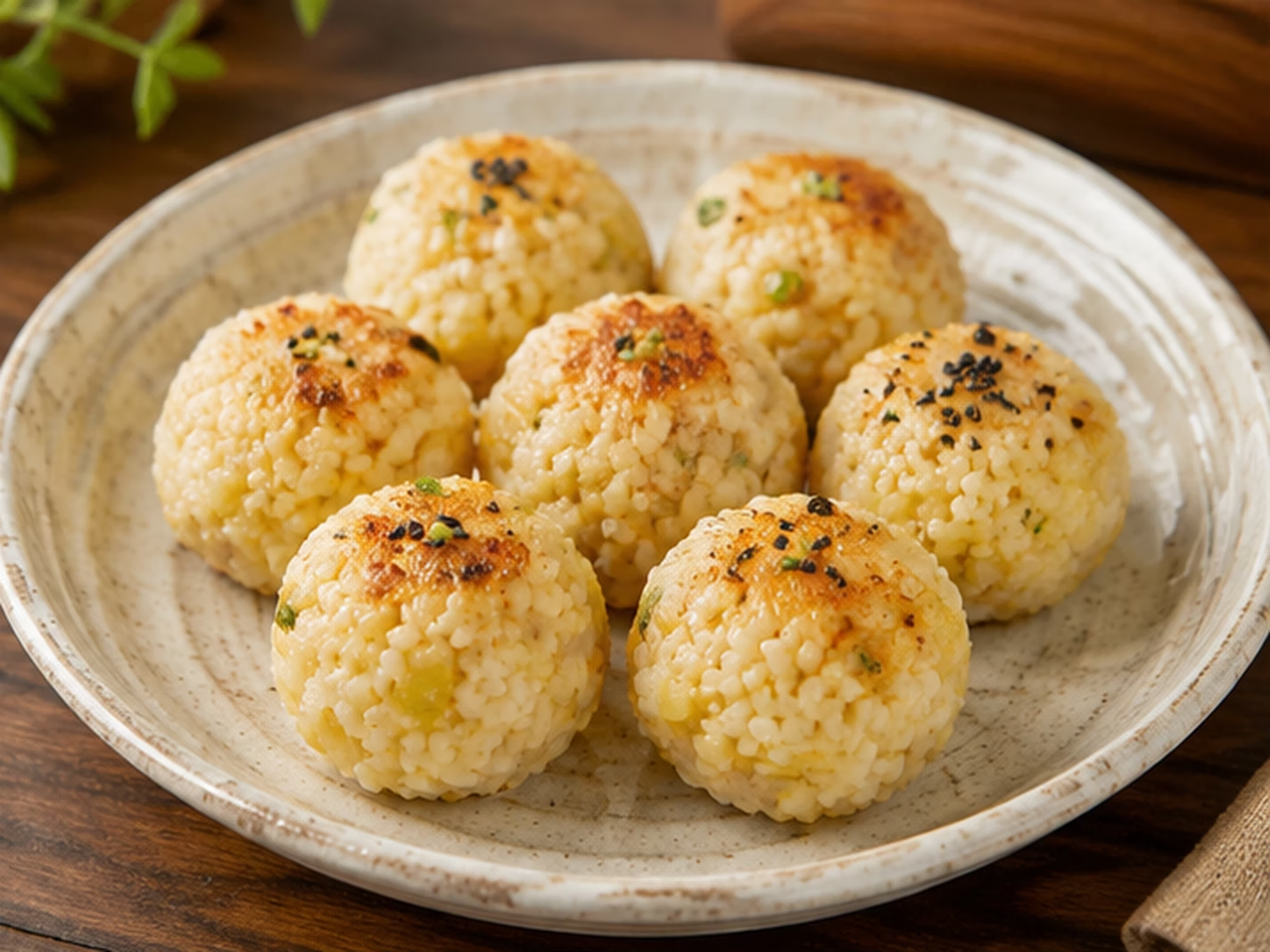
Soft potato and rice are mixed with vegetables and anchovies, shaped into bite-size balls or triangles, and coated with egg yolk and sesame seeds.
View recipe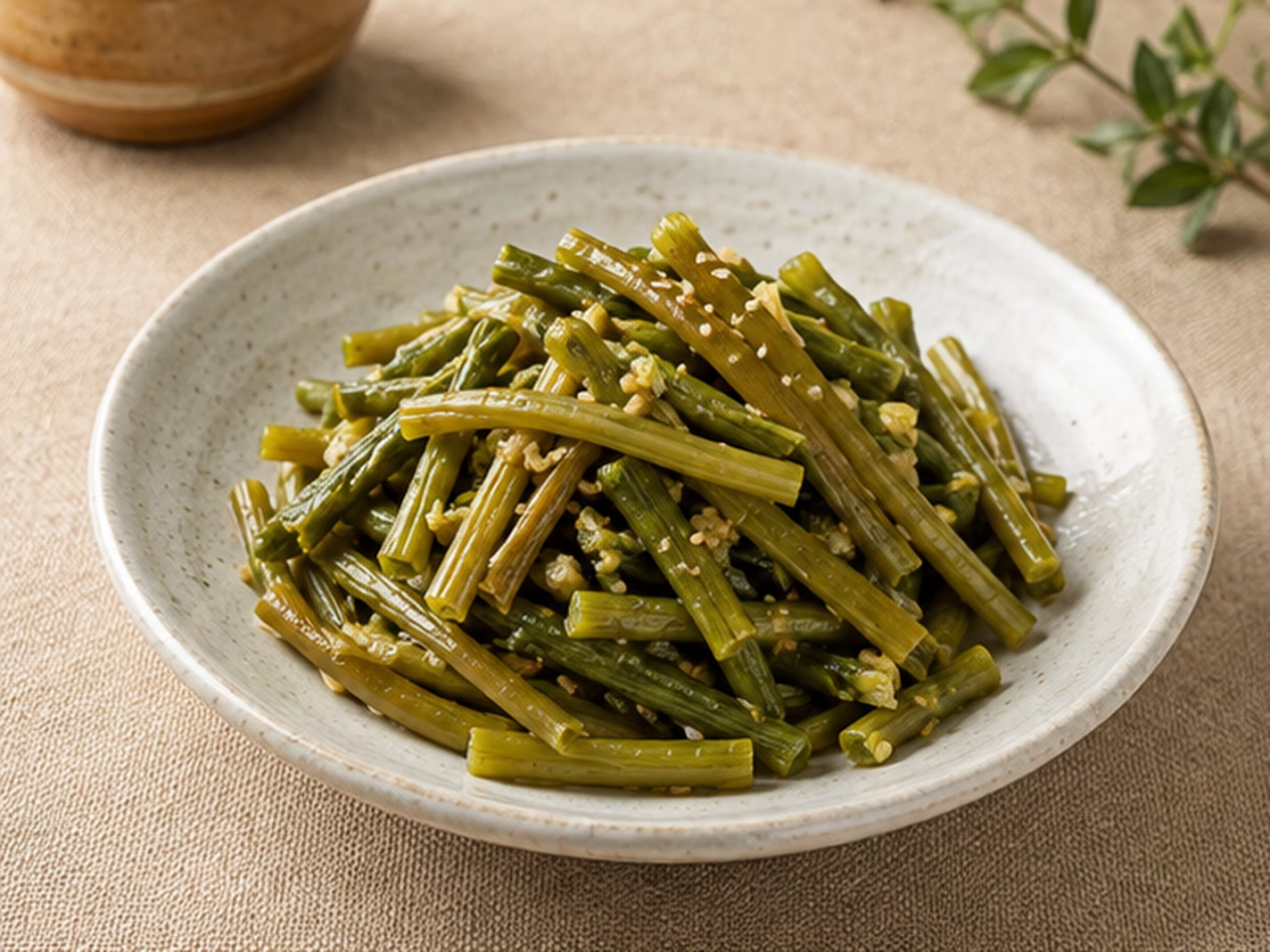
Blanched sweet potato stems and onion tossed in a creamy doenjang and tofu dressing with black sesame, vinegar, sugar, and sesame oil.
View recipe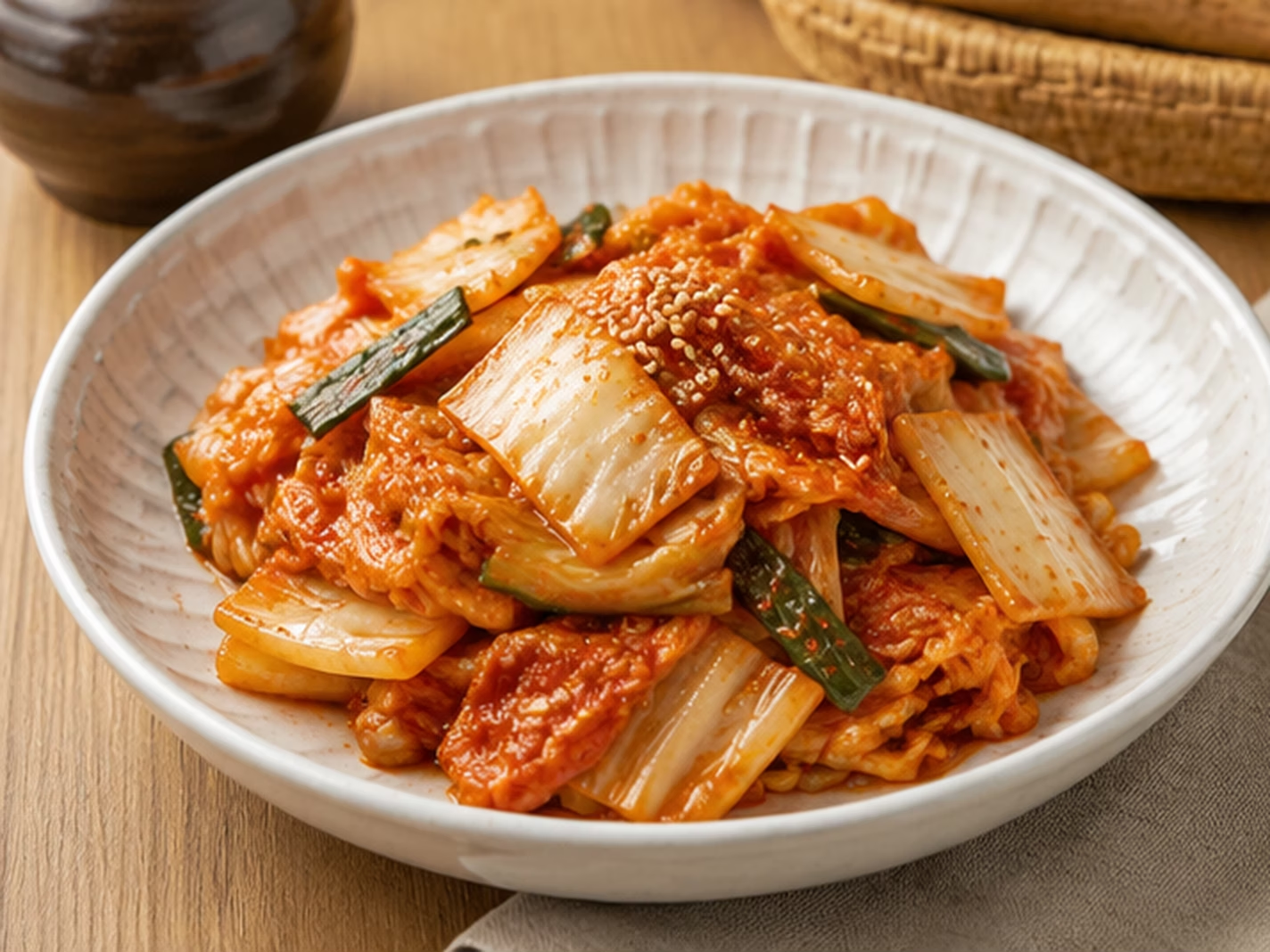
Rinsed kimchi is stir-fried with cabbage and onion in perilla oil, then seasoned with ground barley shrimp, garlic, and a touch of soy sauce.
View recipe