What does it taste like?
Flavor and texture vary by variety, freshness, and preparation.
Sea vegetables
톳
Common aliases
hijiki · hijiki seaweed
Hijiki seaweed appears in Korean soups, stir-fries, salads, and side dishes. The source recipe may use a particular cut or form, so check the Korean ingredient note before cooking.
Flavor and texture vary by variety, freshness, and preparation.
Use the form and amount listed in the recipe; trim or rinse as needed.
Look for fresh hijiki seaweed with no off smell or sliminess.
Refrigerate promptly and follow the package date when one is provided.
Another firm sea vegetable can work, with a different mineral flavor and texture.
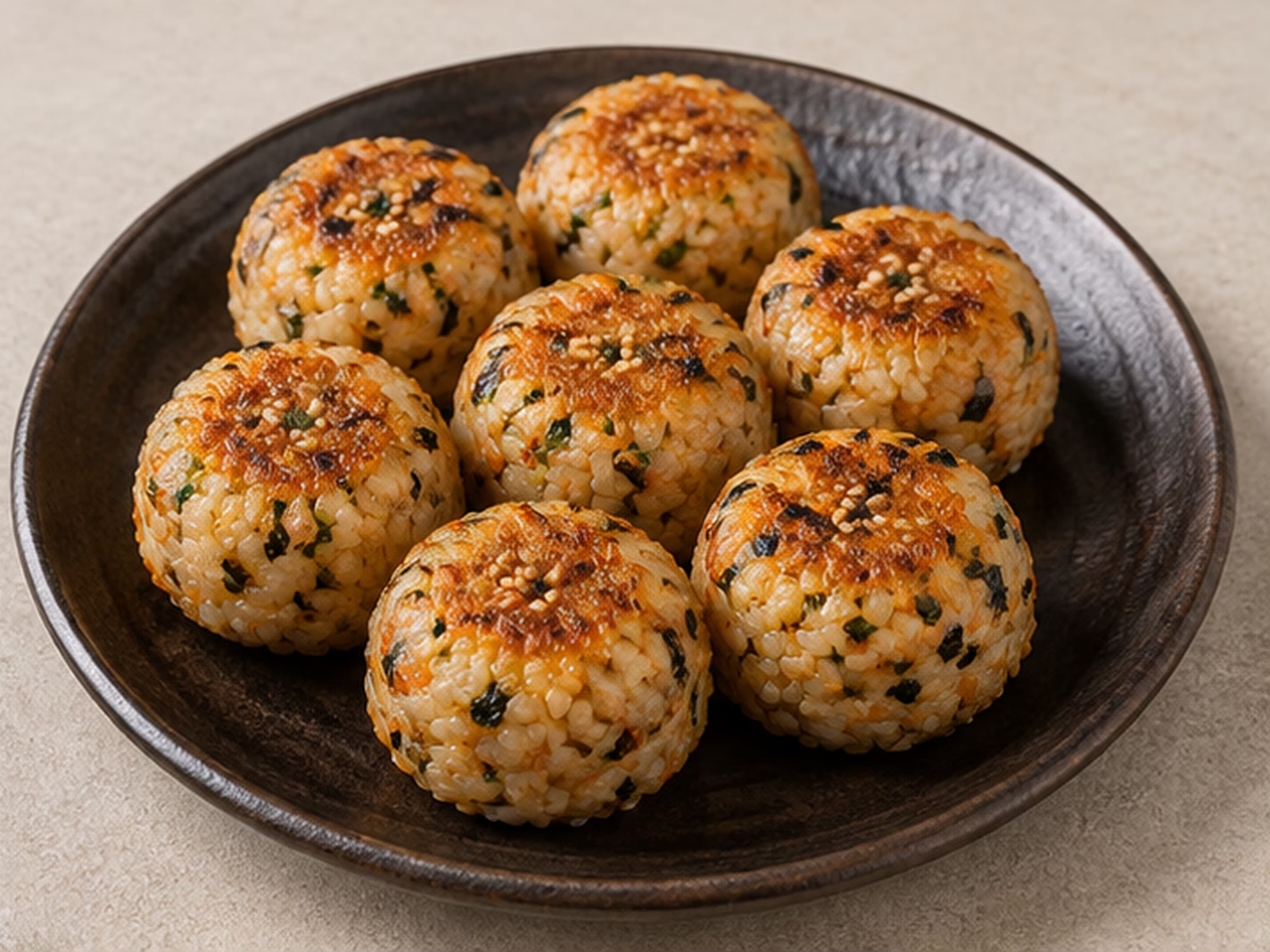
Savory brown rice balls mixed with seasoned hijiki, coated with crushed seaweed and egg, then grilled in a pan.
View recipe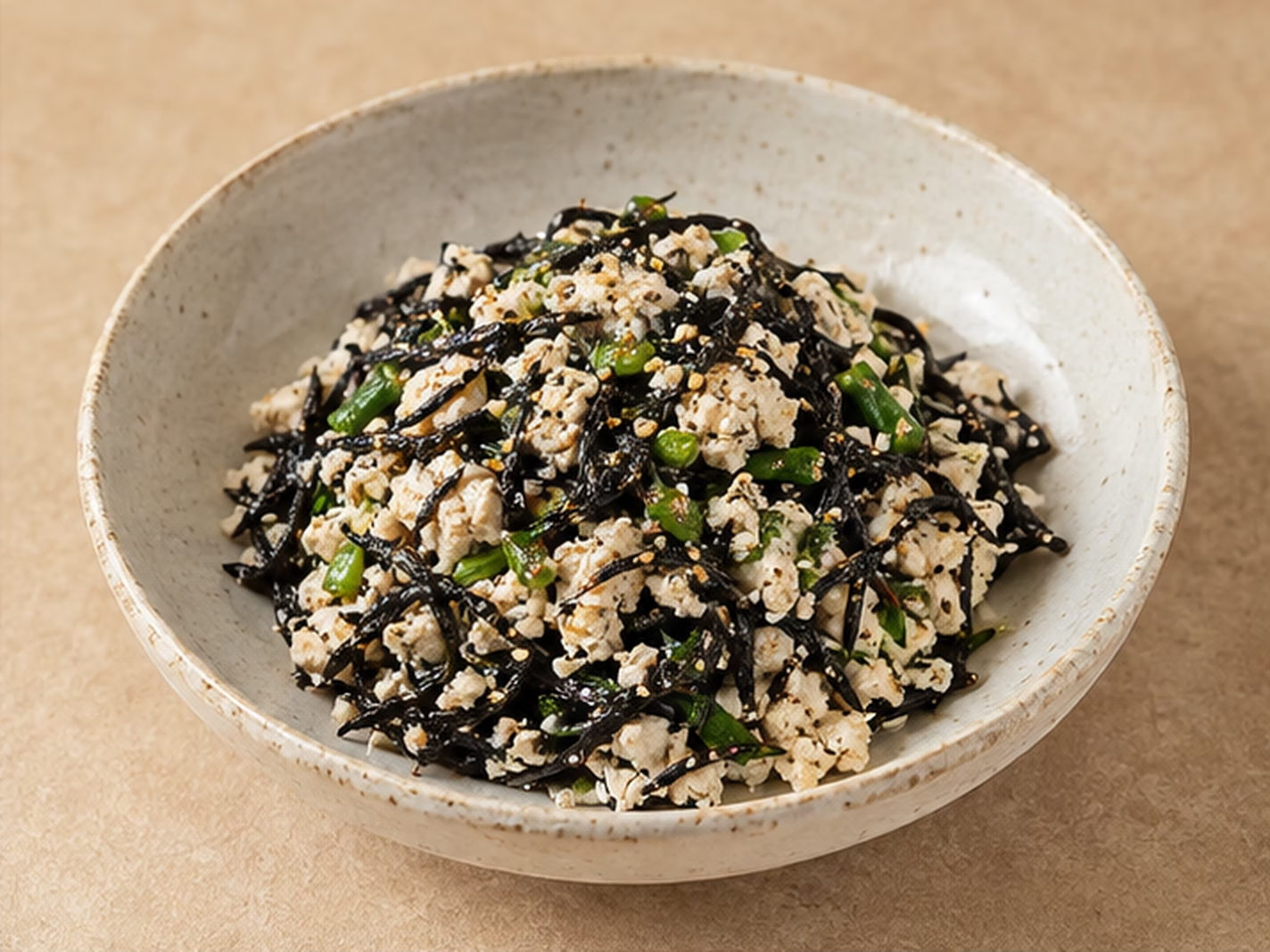
Blanched hijiki seaweed and steamed tofu are mixed with garlic, sesame, sesame oil, and a small amount of sea salt for a simple side dish.
View recipe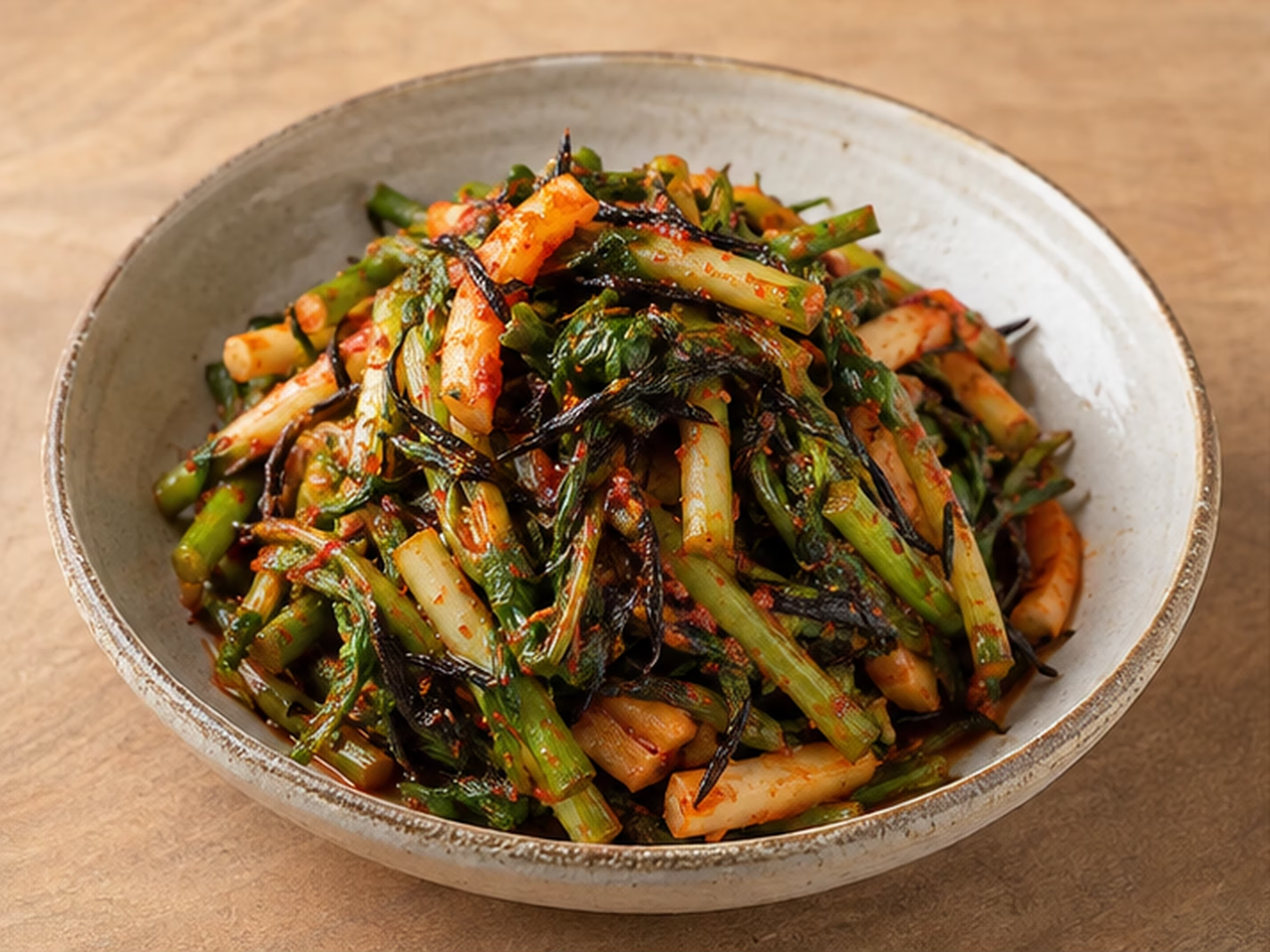
A fresh kimchi-style side dish of lightly blanched young radish greens and hijiki tossed with garlic, ginger, red pepper flakes, and fish soy sauce.
View recipe